
Another Training Seminar Held for Compliance and Internal Control Officers
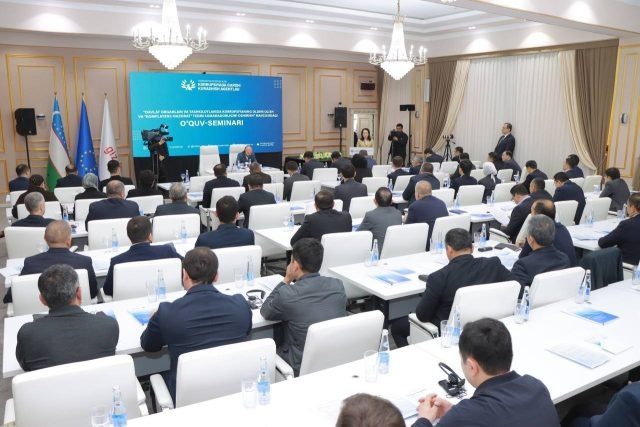
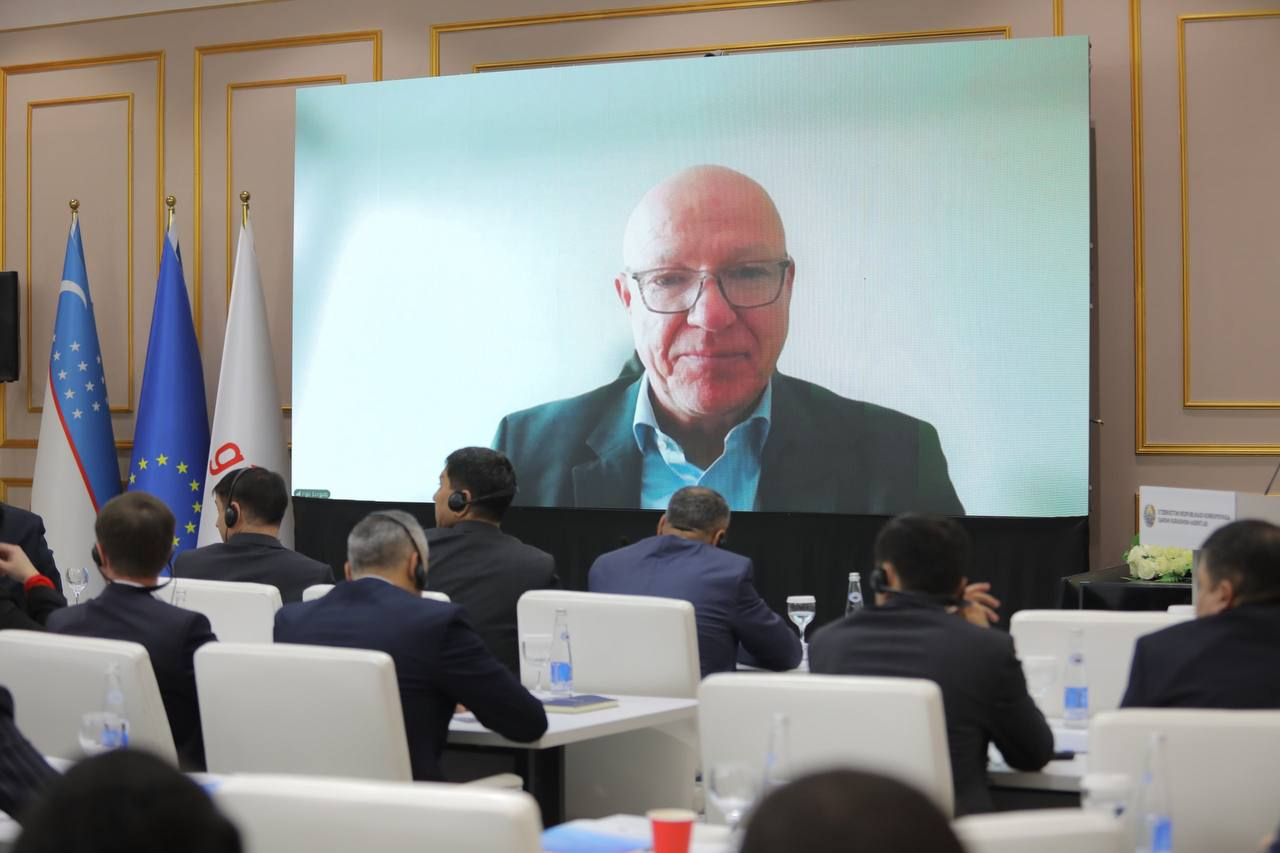
The Anti-Corruption Agency of Uzbekistan, in cooperation with the Delegation of the European Union to Uzbekistan and the German Agency for International Cooperation (GIZ), organised a training seminar for officers of anti-corruption internal control (compliance) units of government bodies and organisations.
The seminar focused on “Preventing Corruption and Enhancing the Effectiveness of Compliance and Internal Control Systems in Government Bodies and Organisations.”
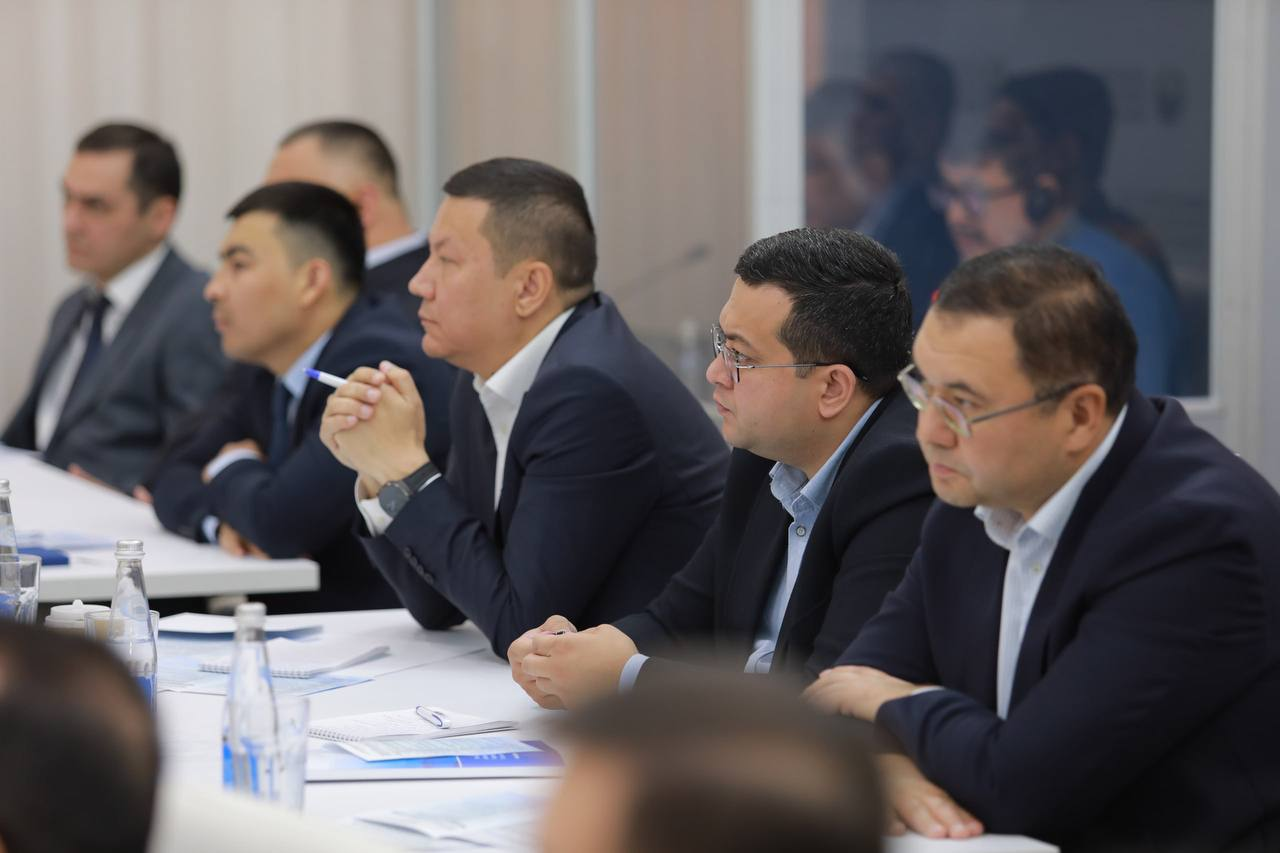
The event was part of a series of training programmes organised by the Agency with the involvement of international organisations and experts to enhance the professional qualifications of internal control officers and strengthen their knowledge and practical skills in this field.
Particular attention was paid to recent reforms aimed at improving the institutional and legal framework for corruption prevention and combating corruption, enhancing the effectiveness of internal control units, and strengthening their independence and powers.
It was emphasised that Uzbekistan is consistently implementing its priorities through 2030 to take state policy on corruption prevention and combating corruption to a qualitatively new level, prevent systemic corruption, and strengthen preventive mechanisms.
In particular, the Risk Analysis Centre was established to identify corruption risks before decisions are made. Its main digital tool, the Digital Compliance information system, has been launched on a pilot basis. The system enables the integration of government bodies' information systems, digitalisation of internal anti-corruption control processes, and automated detection of affiliations in public procurement.
In addition, a Corruption Prevention Cluster has been introduced, bringing together government bodies, law enforcement and supervisory authorities, research institutions, internal control units and civil society organisations. The gradual introduction of a National Anti-Corruption Management System Certification framework across government bodies and organisations by 2030 is also envisaged.
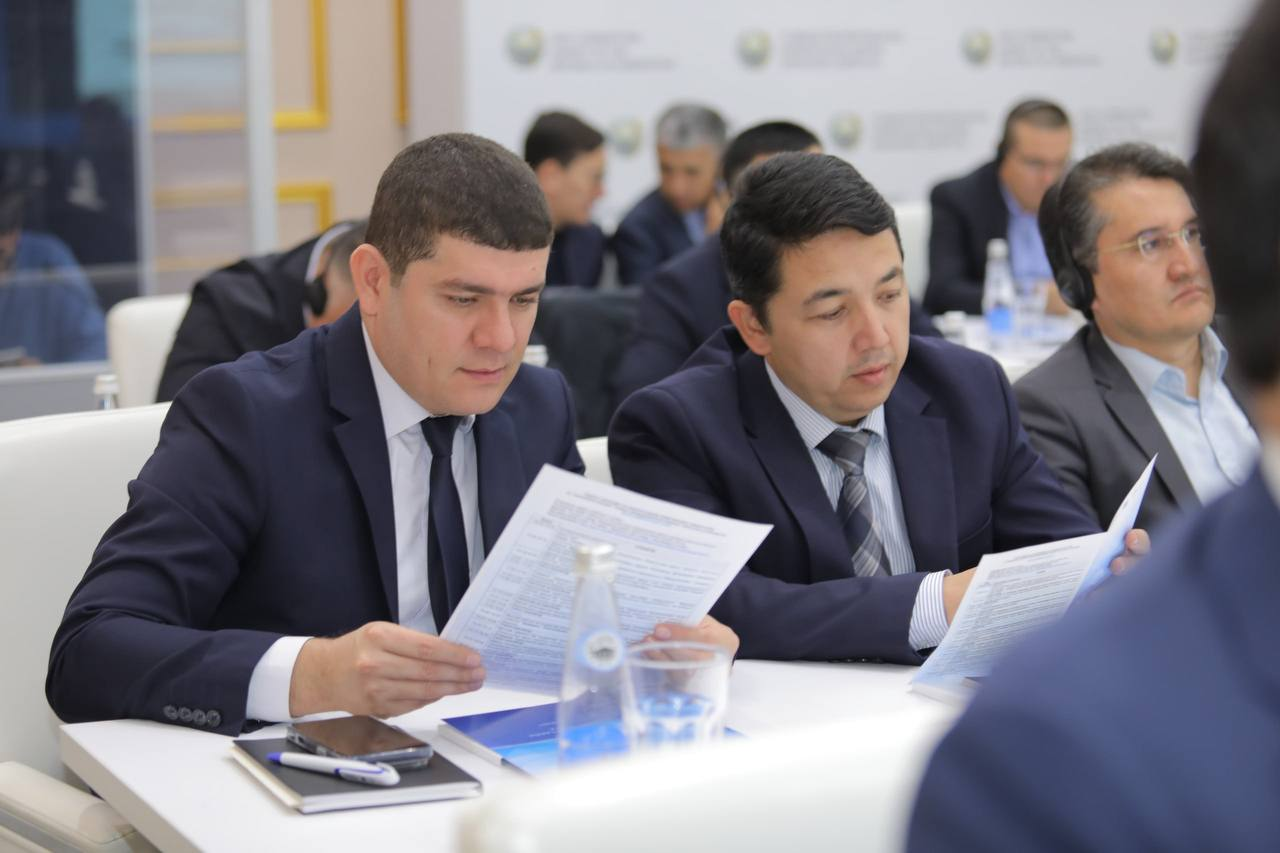
Significant efforts are also underway to improve the performance of compliance and internal control units responsible for corruption prevention in government bodies and organisations and to strengthen their institutional capacity.
In particular, to ensure their independence, it has been established that these units report exclusively to the head of their respective organisation and are accountable to the Anti-Corruption Agency. The coverage of the internal control system has also expanded considerably. While such units operated in 91 organisations in 2021, they now cover more than 230 government bodies and organisations, employing over 1,700 specialists.
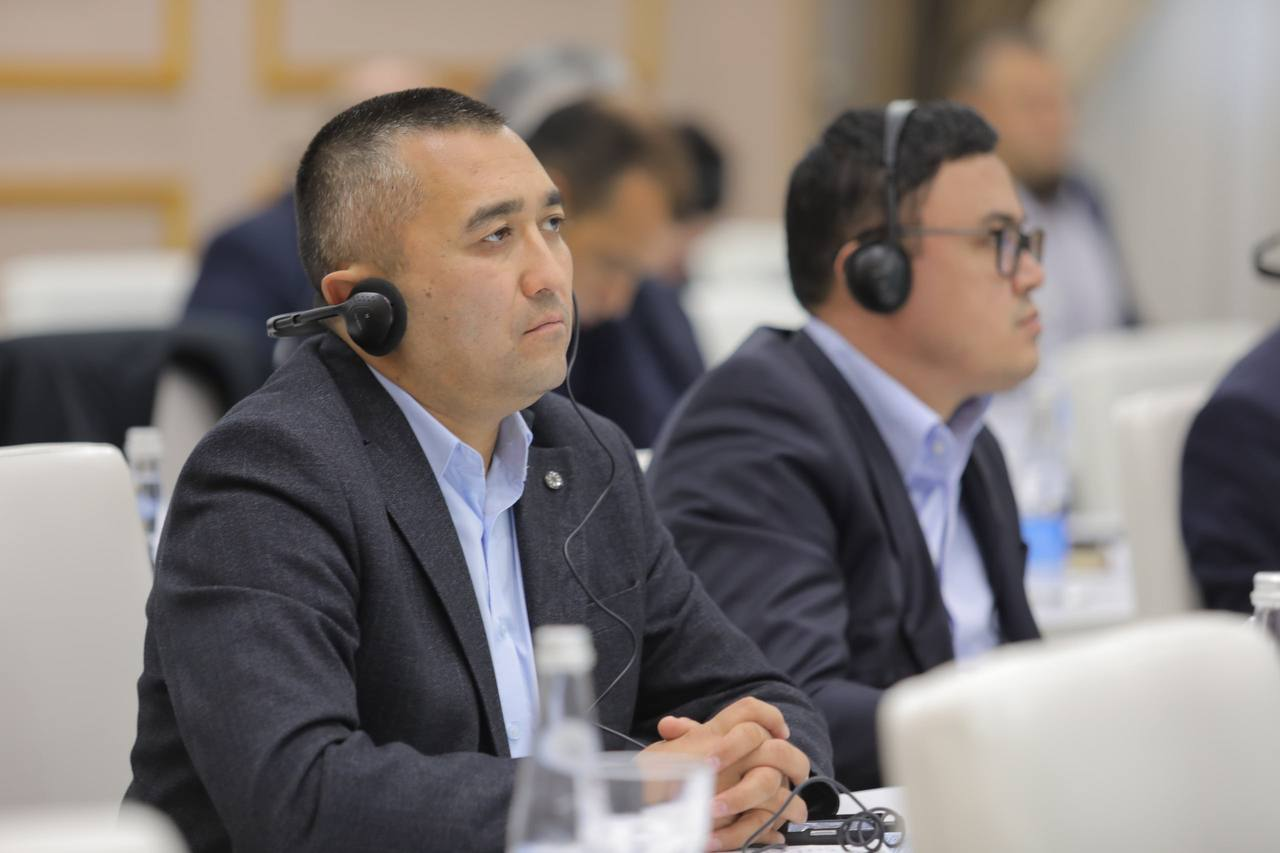
A number of measures have been taken this year to further strengthen the legal and organisational framework in this area. In particular, professional standards for compliance specialists have been developed and are being introduced in practice.
A revised Model Regulation has also been approved, setting out the procedures for establishing internal control units, defining their functions, duties, rights and responsibilities, and coordinating decisions on the appointment and dismissal of their staff.

New procedures have also been established under the guidelines for anti-corruption review of major investment projects and assessment of their impact on the competitive environment, providing for the involvement of compliance and internal control units in these processes.
Furthermore, under a Presidential Decree, internal anti-corruption control units have been entrusted with the authority to assess whether interactions between civil servants and business entities are justified or unjustified.
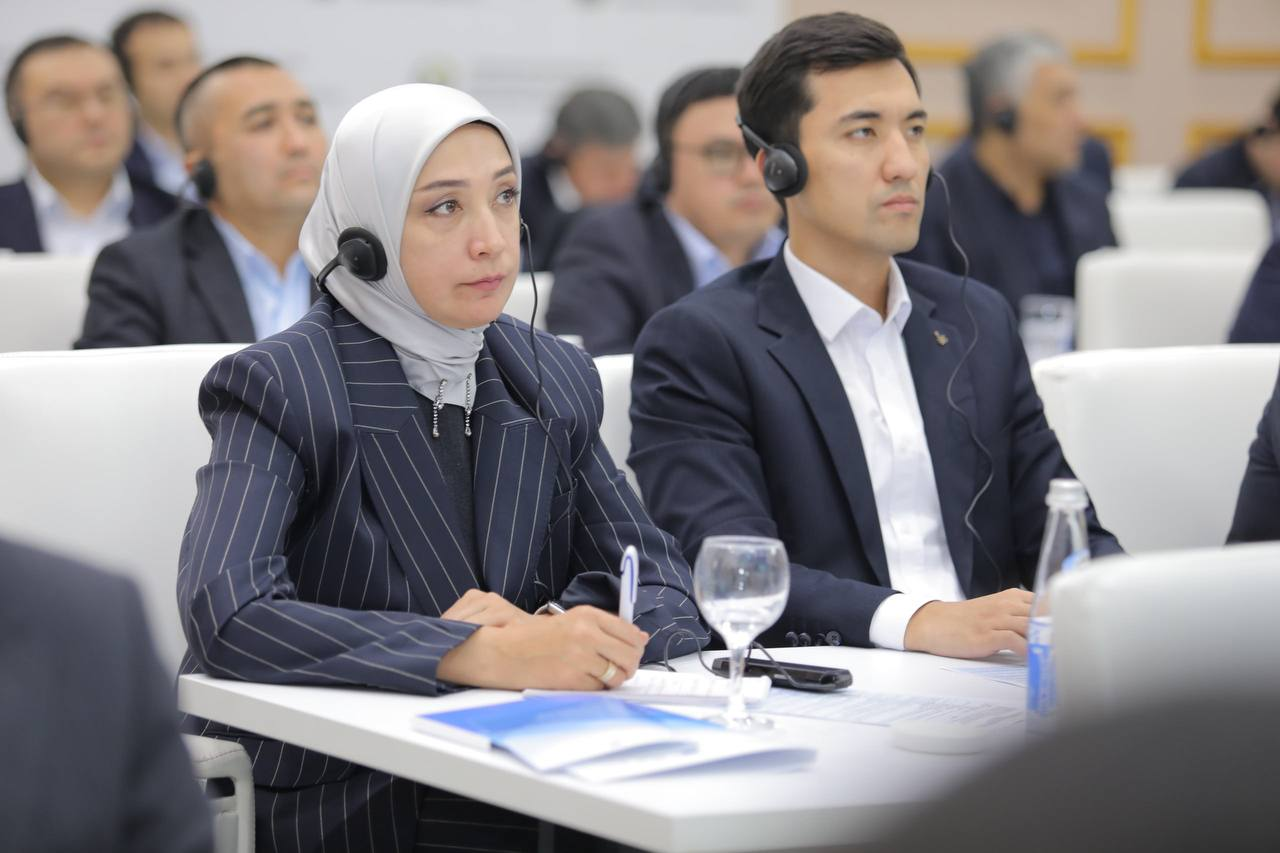
To strengthen compliance and internal control at the management level, the position of a Deputy Head responsible for this area has been introduced. Among other powers, those holding this position have been granted important authority related to the temporary suspension of the head of the organisation from office.
A system for professional development, internships and certification of internal control officers has also been established, with certification procedures commencing in September this year.
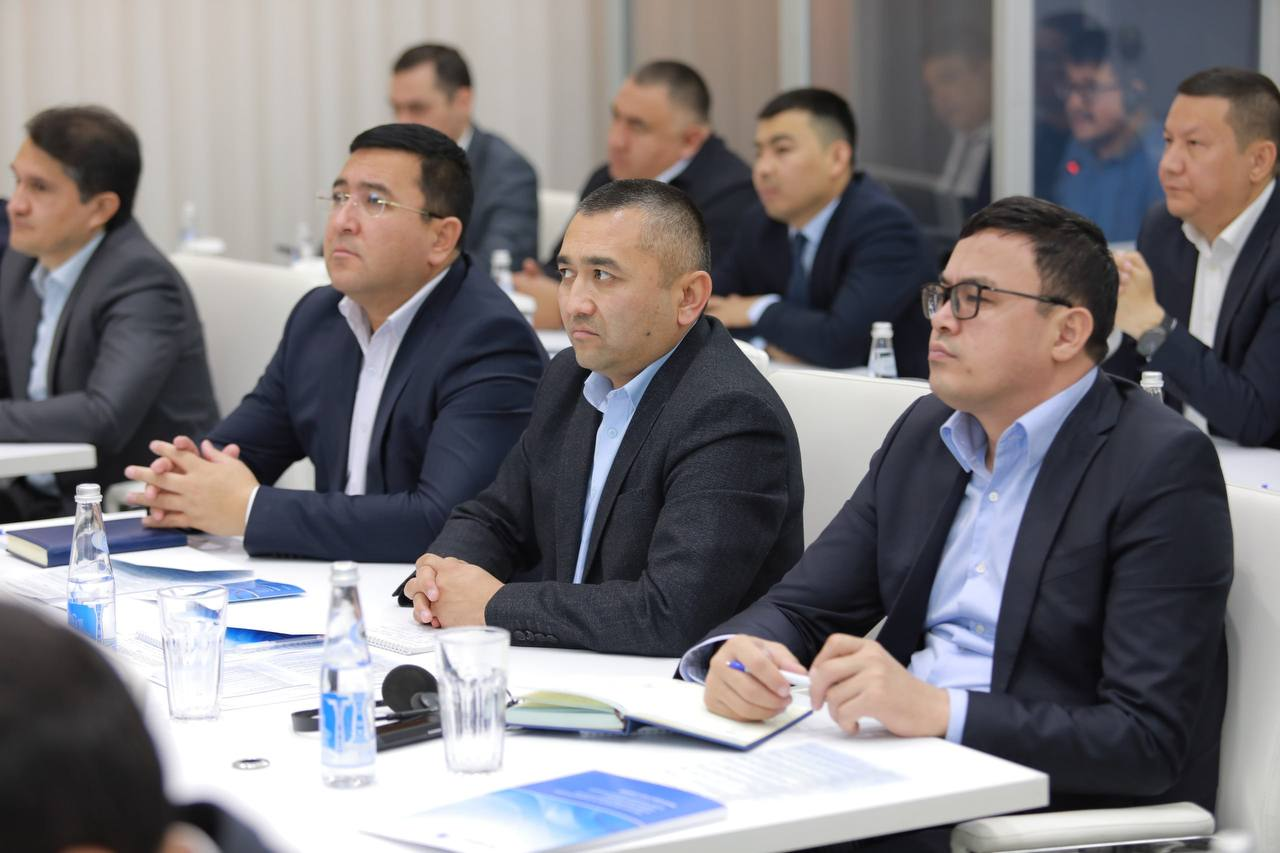
Taking into account the ongoing reforms and the new opportunities available to internal control units, the seminar placed particular emphasis on making effective use of their powers, improving the quality of compliance activities, and identifying and addressing corruption risks at an early stage.
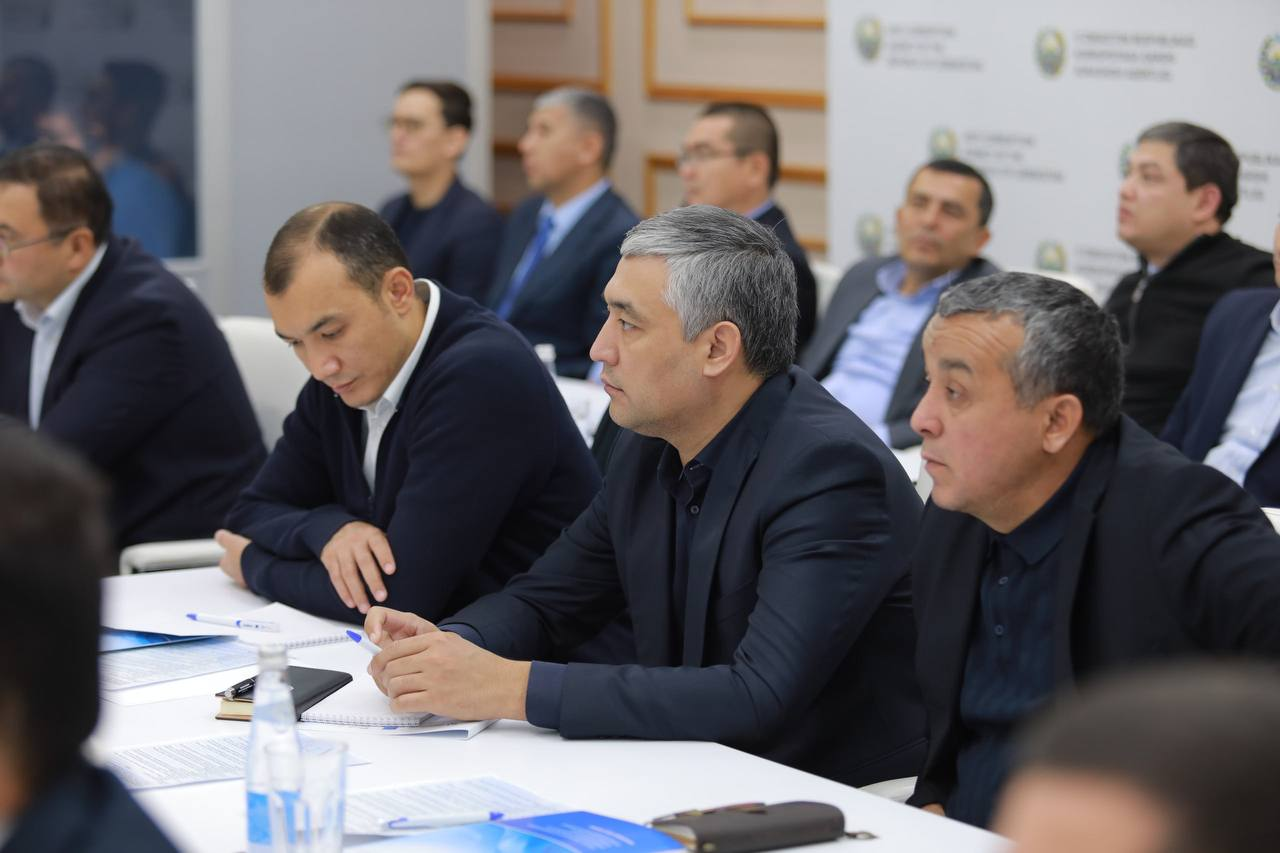
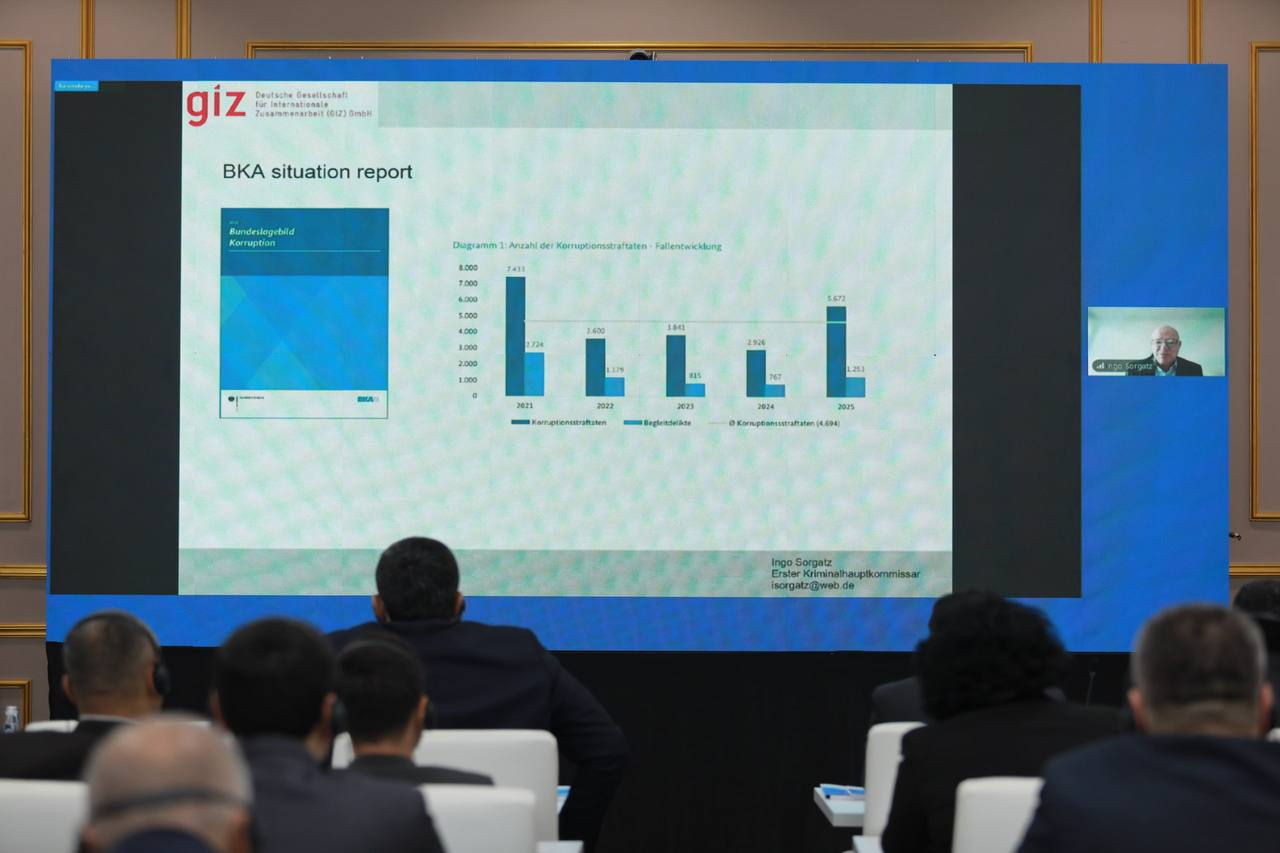
In particular, participants exchanged views and experience with local and international experts on assessing anti-corruption performance through a rating system, identifying and mitigating corruption risks, ensuring openness, managing conflicts of interest, preventing corruption in public procurement, and conducting anti-corruption reviews of regulatory legal acts.
Alongside the results achieved in this field, the seminar also provided an opportunity for a critical discussion of certain challenges and shortcomings in the work of internal control units in some government bodies. Tasks were identified to address these issues, strengthen the accountability of internal control units and step up preventive efforts.
Press Service of the Anti-Corruption Agency