
The role of civil society institutions in combating corruption will be strengthened
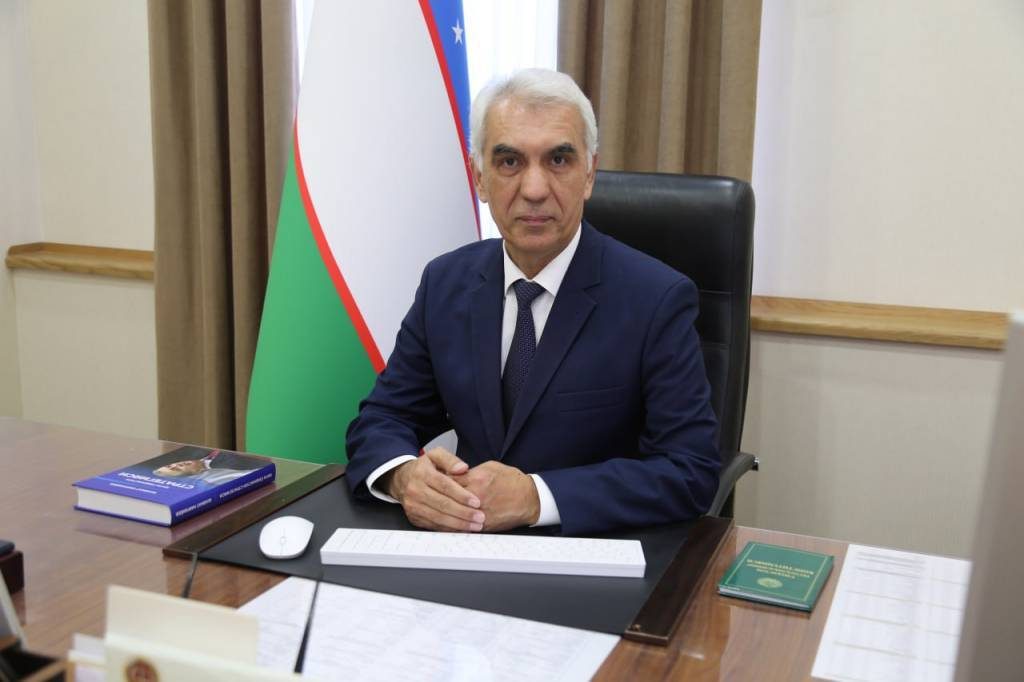
Identifying the factors that lead to corruption in society, conducting scientific research on them, preventing corruption, and ensuring the active participation of civil society institutions in the fight against it are of great importance.
The Resolution of the President of the country of September 19, 2025, “On Measures to Further Expand the Participation of Civil Society Institutions in Combating Corruption and Support Scientific Research in this Area”, is aimed at further enhancing activities in this direction.
UzA correspondent spoke with the Chairman of the Public Council under the Anti-Corruption Agency of the Republic of Uzbekistan, Doctor of Law and Professor Foziljon Otakhonov, about the priority tasks outlined in the Resolution and the measures for their implementation.
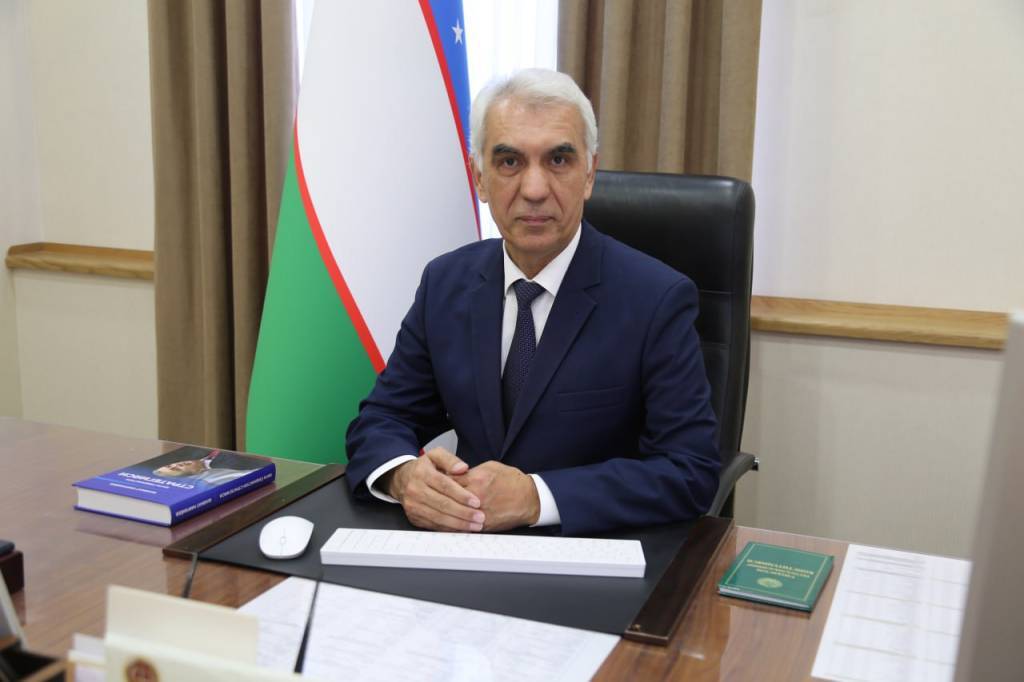
– This Resolution is noteworthy for being aimed at consistently implementing the provisions of the UN Convention against Corruption and the Sustainable Development Goals of the UN Global Agenda, as well as ensuring the execution of the priority tasks identified at the expanded meeting of the National Anti-Corruption Council on March 5, 2025.
– The Resolution envisages strengthening the participation of civil society institutions in combating corruption. In your opinion, how important is this?
– Civil society institutions – non-governmental non-profit organizations (NGOs), the mass media, neighborhood communities (mahallas), public councils, and the active segments of the population – are the state’s leading partners in combating corruption. Their participation ensures openness and transparency and strengthens public oversight over corruption-related issues.
The fact that the Presidential Resolution places special emphasis on this area indicates that joint actions between the state and society are necessary, and that preventing corruption requires the involvement not only of law enforcement bodies but also of the broader public.
– How does supporting scientific research affect the effectiveness of the fight against corruption?
– The causes of corruption are multifaceted and complex. Scientific research enables an in-depth analysis of this problem, helping to identify specific factors through statistical data and social surveys.
For example, without studying the sectors scientifically that are at high risk of corruption and understanding their social, economic, and psychological causes, it isn't easy to take effective measures.
The Resolution sets out the task of conducting joint research with national and international scientific institutions. This creates an opportunity to bring advanced international experience into the fight against corruption.
– What are the advantages of introducing a system for analyzing the effectiveness and efficiency of anti-corruption work in the context of each sector and region?
– This system provides specific figures and results for each region or sector. For instance, it will be clear in which district or ministry corruption cases have decreased and where preventive measures have been ineffective.
Based on this, government agencies can take targeted measures, direct resources, and attention to problem areas. This will lead to smart governance based on scientific analysis.
– How will the plan to attract international grants for scientific and practical research be implemented?
– The Resolution assigns the task of conducting large-scale research on combating corruption with funding from national and international grants.
For this purpose, cooperation will be established with international organizations, including the UN, OSCE, and the World Bank. Research funded through grants will enable the collection of independent and unbiased results, the introduction of modern methodologies, and the incorporation of international best practices.
– What role will civil society institutions and the mass media play in this process?
– The mass media and NGOs play an essential role in disclosing information about corruption cases, analyzing it, and delivering it to the public. In cooperation with government agencies, they conduct social surveys and study public attitudes toward corruption. They analyze the collected data and make political and legal recommendations. This process increases citizens’ trust in the government and ensures transparency.
– The Presidential Resolution also mentions scientific and methodological support. What does this mean?
– Scientific and methodological support means developing methodologies, manuals, training programs, and recommendations for researchers, experts, and scholars. For example, a unified index for assessing corruption risks, standard methods for social surveys, and analysis algorithms will be prepared. This helps ensure that the quality and results of research are evaluated based on uniform criteria.
– The Resolution envisages involving NGOs in monitoring the implementation of the UN Convention against Corruption. What is the purpose and significance of this?
– This is a significant initiative because NGOs provide independent and impartial assessments. Since they are not affiliated with government agencies, they consider public opinion during the monitoring process and prepare objective reports. The introduction of an alternative evaluation system enhances transparency, strengthens government accountability, and ensures the effective implementation of the UN Convention’s requirements.
– It was mentioned that 10 billion UZS in grants will be allocated annually for NGOs. From what sources will these funds be formed?
– According to the Resolution, the funds will be formed from two primary sources. The first is the savings of the Civil Society Support Fund under the Oliy Majlis (Parliament). The second is the off-budget funds of state bodies and organizations whose anti-corruption efforts are rated as unsatisfactory according to the ranking assessments conducted by the Anti-Corruption Agency.
These funds will be allocated on a competitive basis for NGO projects that aim to combat corruption. The selection criteria will be based on the practical significance of the project, its innovative approach, and the level of public participation it ensures.
– It is planned to conduct surveys on everyday corruption cases under social orders from the Agency. How will this be implemented?
– This involves large-scale sociological research. It is planned to identify in which public services people face excessive bureaucracy or illegal demands, as well as to study people’s attitudes toward corruption. The results will be analyzed to develop specific recommendations for areas with high corruption risks. This will be of great importance for simplifying and digitizing public services.
– What will the Agency’s annual proposals to the National Council include?
– The Resolution clearly states this matter. Every year by April 1, the Agency will submit to the National Council proposals regarding NGO projects in the field of combating corruption and their funding, expanding the participation of civil society institutions, strengthening their cooperation with government bodies, and initiatives to improve legal and regulatory documents.
This system will strengthen cooperation between the state and civil society, ensuring a unified strategy in the fight against corruption.
– What practical results are expected from these measures?
– First, transparency and public oversight will be strengthened in areas with a high risk of corruption. Second, through NGOs, public opinions and concerns will reach government agencies more quickly. Third, measures aligned with international standards and based on scientific research will make corruption prevention more effective. As a result, citizens will have access to high-quality and transparent public services.
In conclusion, the new system aims to actively involve NGOs in monitoring and public oversight, financing their projects through grants and social orders, conducting social research to study everyday corruption, and ensuring the transparency of government agencies’ activities. These measures will strengthen public participation in preventing bribery and increase citizens’ trust in the government.