
Outcomes and Prospects of the Project ‘Strengthening the National Anti-Corruption Ecosystem in Uzbekistan’ Discussed
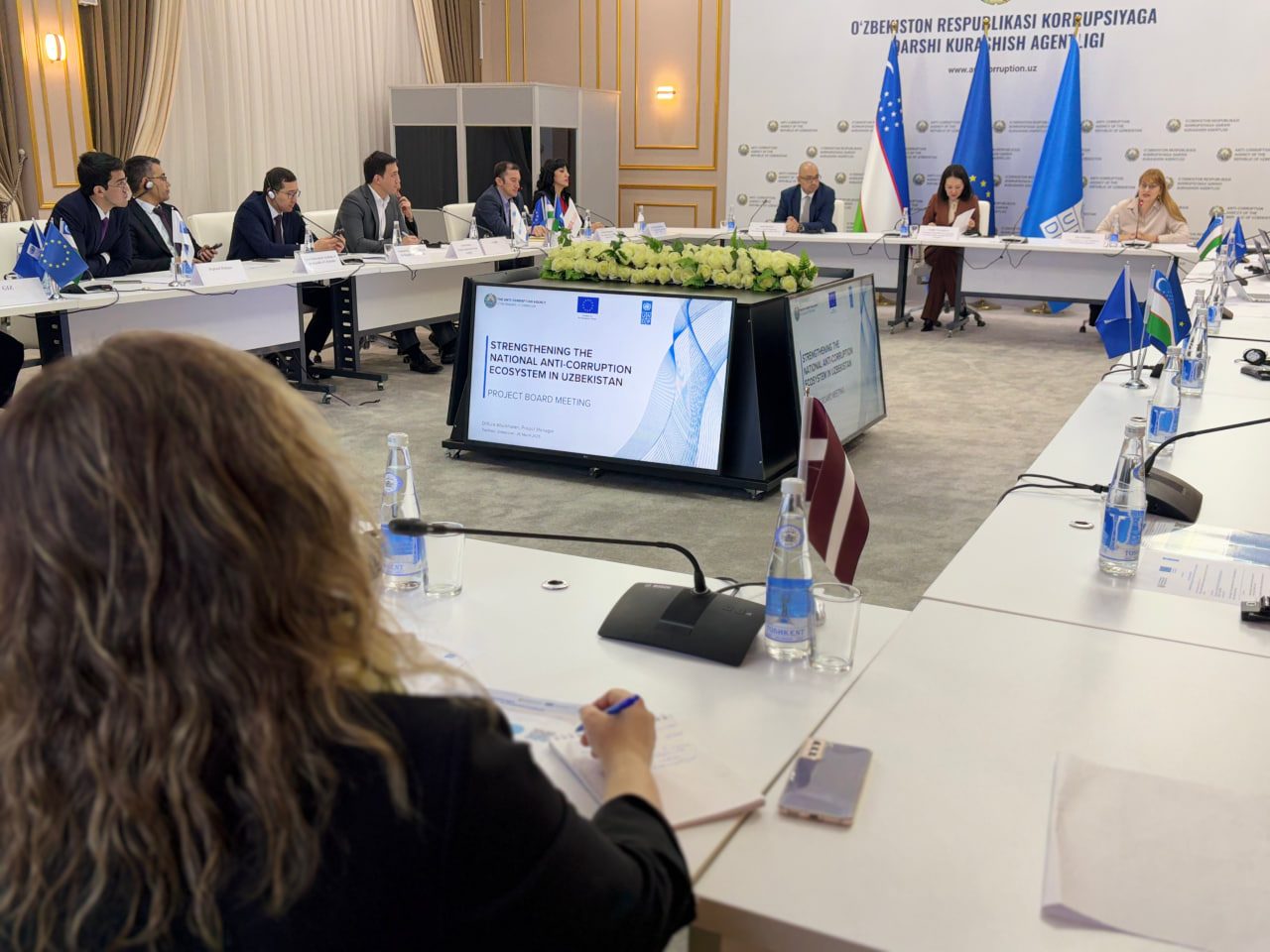
On March 25, the Anti-Corruption Agency held a meeting of the Council within the framework of the project ‘Strengthening the National Anti-Corruption Ecosystem in Uzbekistan’.
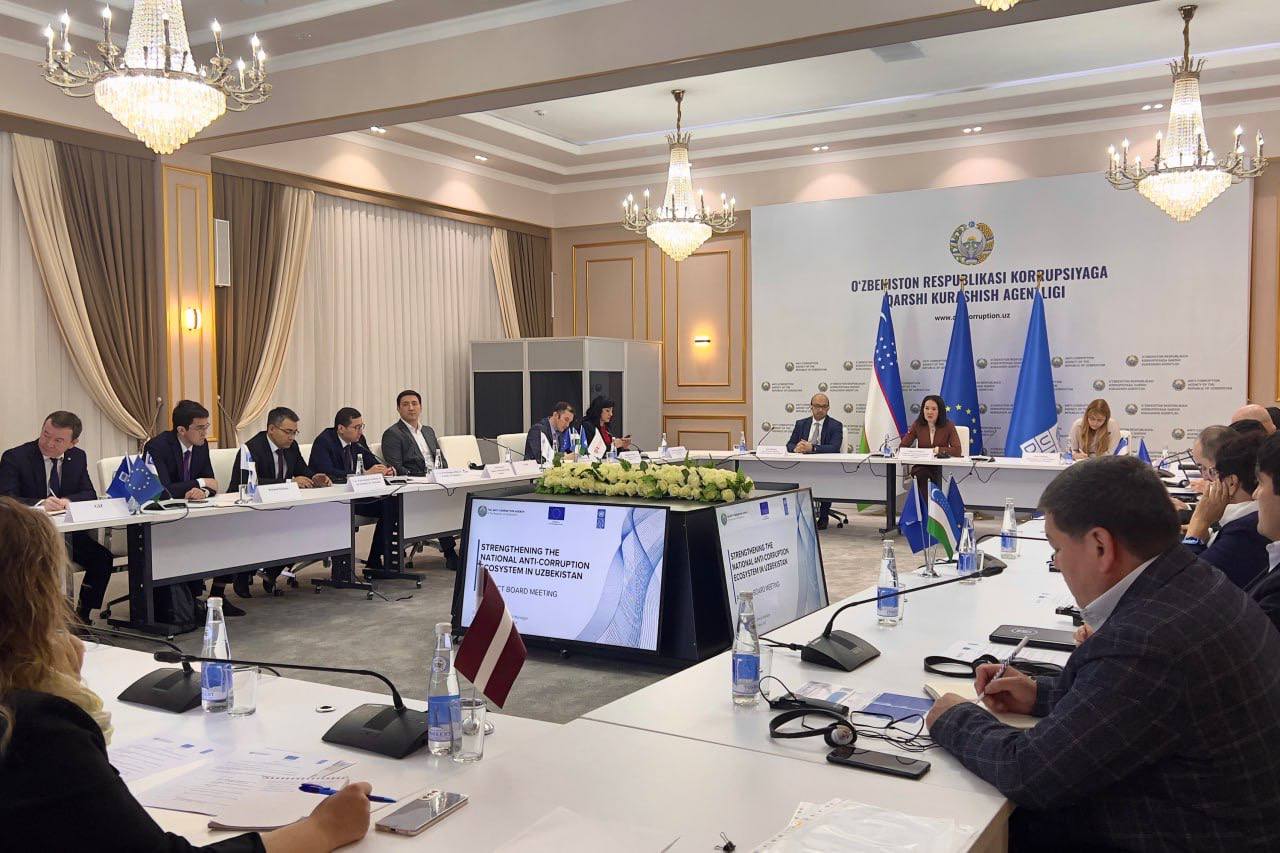
The joint project of the Anti-Corruption Agency and UNDP, funded by the European Union, has been implemented since January 2024 and will be completed on December 31, 2026. The meeting discussed the work done in 2024, and shared ideas on initiatives for 2025.
For reference: The project is aimed at supporting national partners in the fight against corruption - ministries and departments, as well as civil society institutions, and its main goal is to introduce international experience at the national level and develop effective mechanisms. The project is being implemented in three main areas: improving legislation, regional initiatives, cooperation with NGOs and the public.
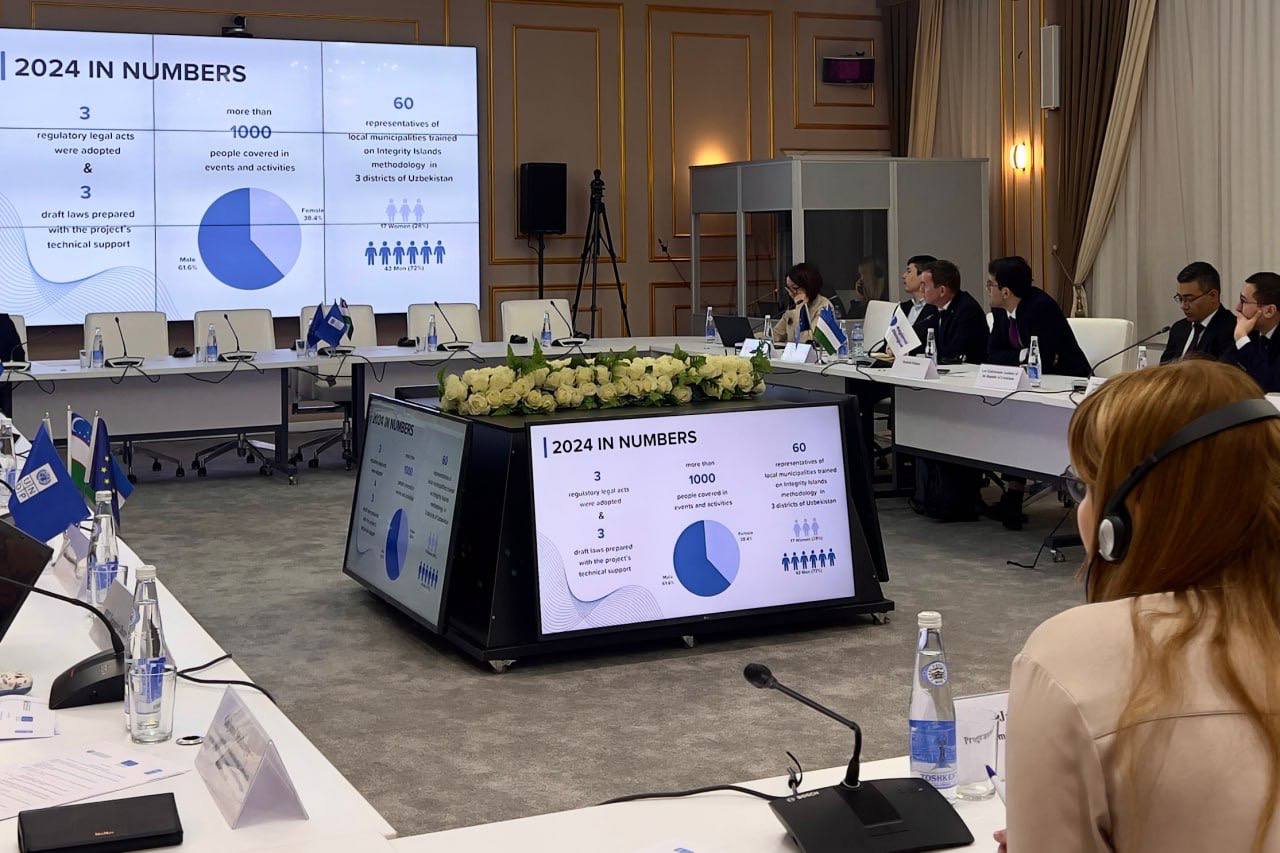
Among the main activities implemented in 2024 was the development of the draft National Anti-Corruption Strategy. EU experts were involved in this process and legal projects were developed based on international experience. A draft law on the whistleblower protection was also prepared, which was one of the first initiatives in this track in Central Asia.
The Transparent Cities and Honest Municipalities methodology was tested in Mirzo-Ulugbek District in Tashkent city, Vobkent District in Bukhara Region and Jizzakh city in Jizzakh Region. On this basis, a corresponding resolution of the Cabinet of Ministers was developed and measures for the implementation of the methodology were defined.
In addition, the allocation of small grants for NGOs was announced, and out of more than 40 applications, eight of the most effective initiatives were selected and supported. This made it possible to analyze and improve the results of 11 grants allocated at previous stages.
Innovative approaches, including cartoons and interactive methods, were used to raise public awareness. Special media campaigns were organized jointly with the National Information Agency of Uzbekistan (UzA) to provide the general public with clear and concise information on the fight against corruption.
During the meeting, priority areas for the coming years were identified. In particular, it is planned to conduct research on the topics of ‘Gender and Corruption’, ‘The Role of Investigative Journalism in Reducing Corruption Risks’, as well as to assess the local integrity system.
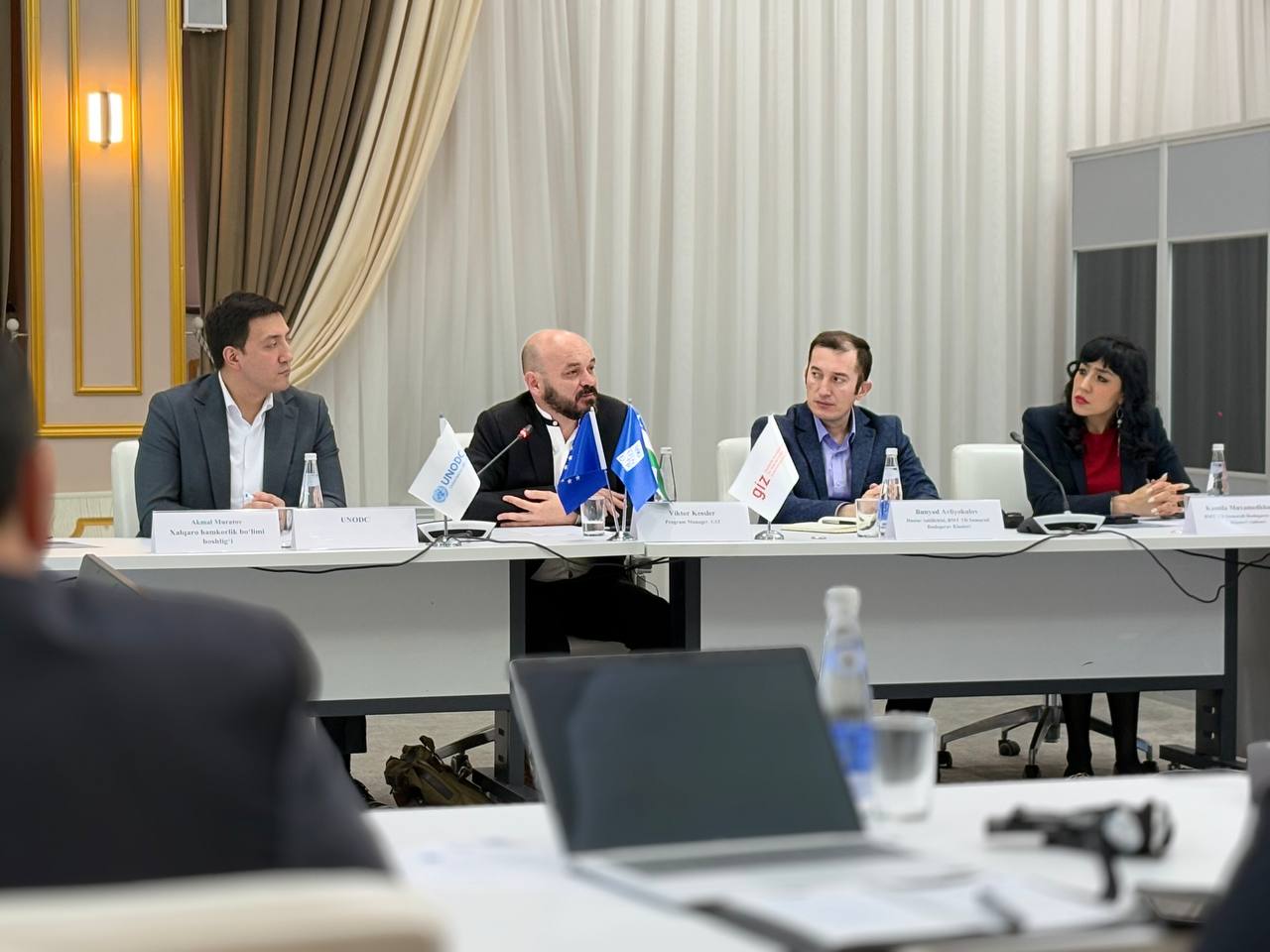
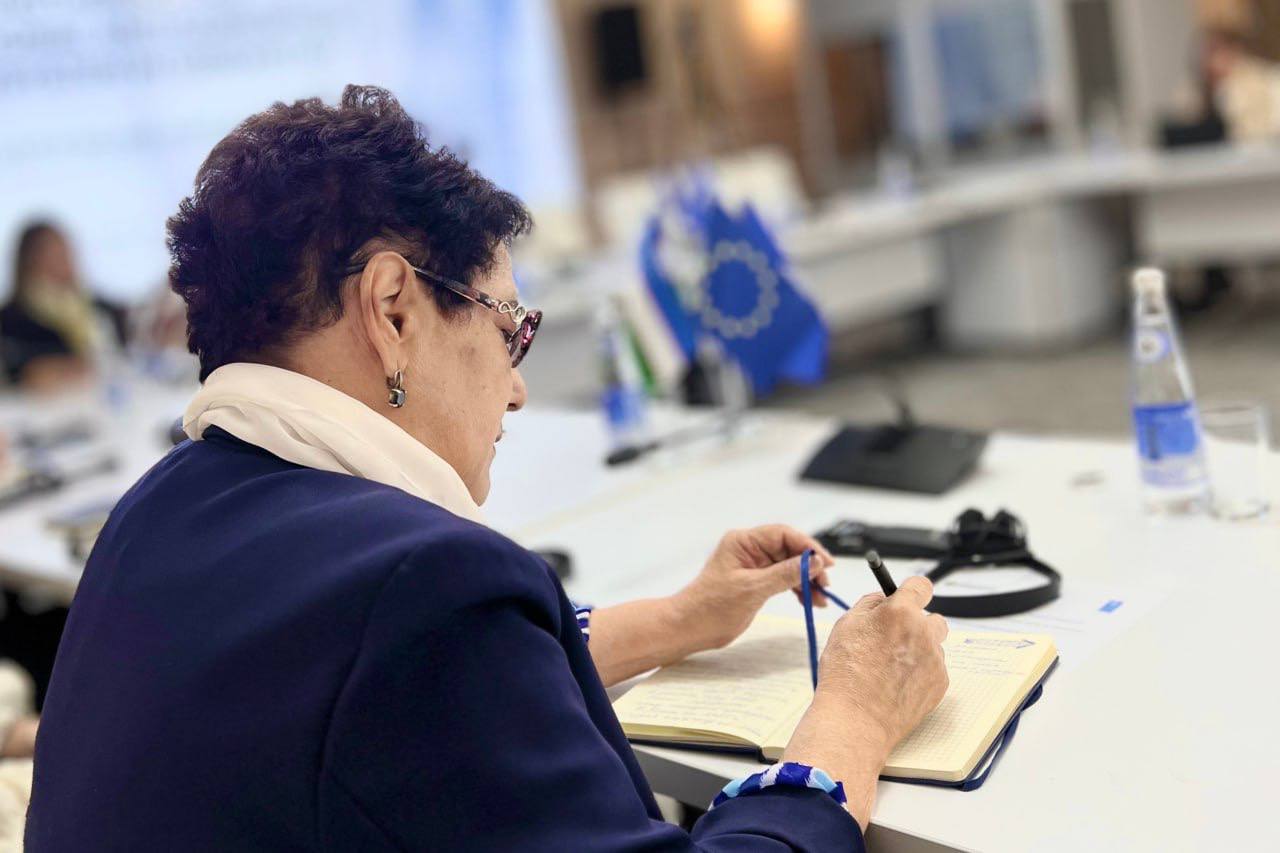
The participants of the meeting made a number of important proposals as well. In particular, Gulnara Babadjanova, Director of the Center for Retraining Journalists, emphasized that in order to effectively organize investigative journalism, journalists need to undergo special training. In her opinion, it is important to deepen legal knowledge in this area and involve journalists in cooperation with investigative bodies.
Karimjon Musashaykhov, representative of the Prosecutor General’s Office, noted the need to improve the practical mechanisms of investigative journalism:
“It is necessary to develop effective mechanisms by strengthening cooperation between investigative bodies and journalists, preparing important materials and summarizing international and national experience.”
The representative of the Business Ombudsman emphasized the importance of strengthening preventive measures in the fight against corruption, noting that the prevention of violations should be a priority over punishment.
At the end of the meeting, measures were discussed that need to be implemented in accordance with the tasks set.
Press Office
The Anti-Corruption Agency