
Anti-Corruption Measures and Digitalisation Efforts Reviewed in Samarkand
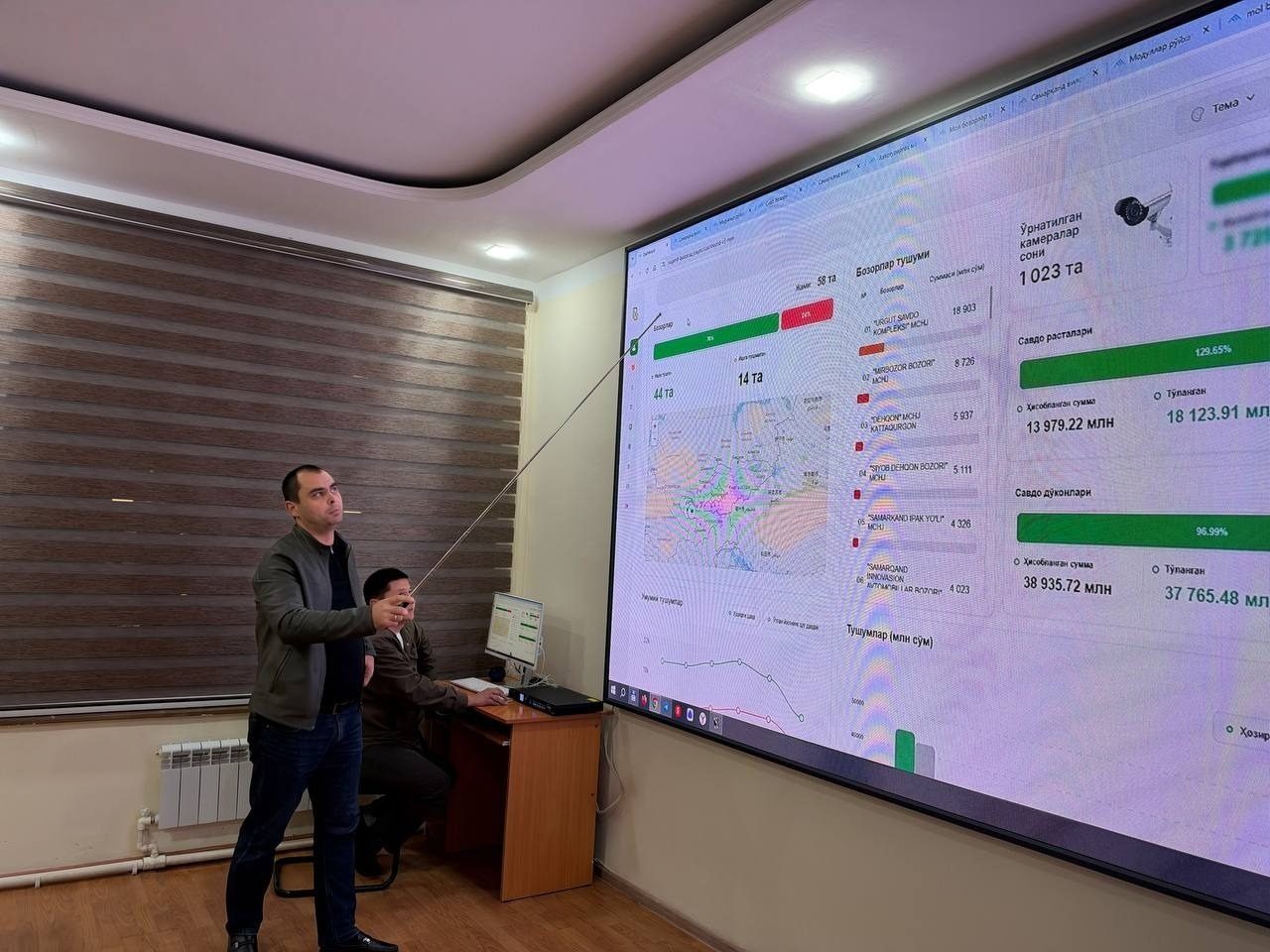
A national working group comprising representatives of the Anti-Corruption Agency and the Prosecutor General’s Office reviewed the implementation of measures set out in the roadmap for strengthening anti-corruption efforts and preventing corruption risks in Samarkand Region.
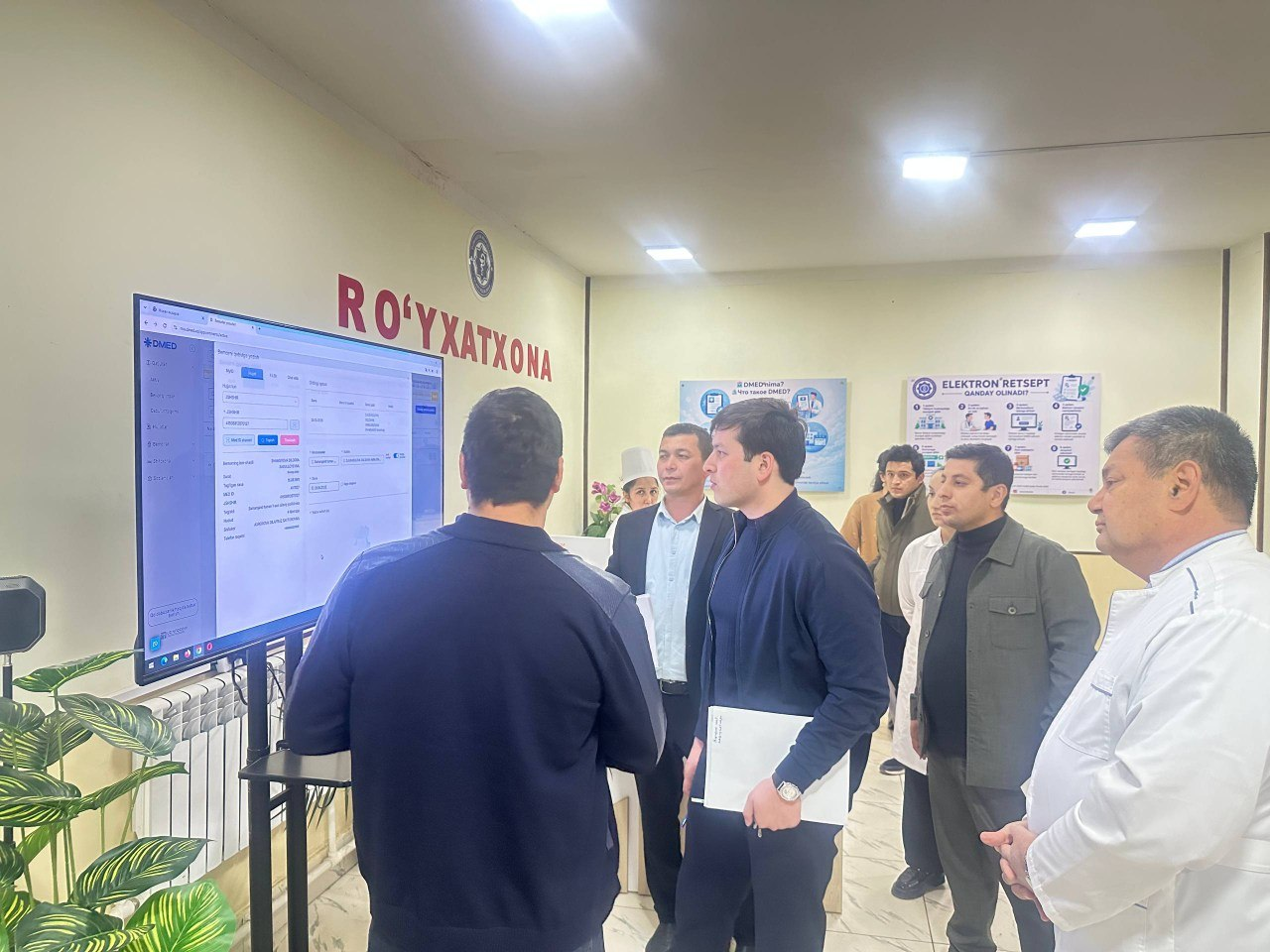
During the visits, representatives of the relevant authorities examined the progress of digitalisation at local markets, car parks and vehicle impound lots; the installation of virtual cash register software at catering establishments; the introduction of the DMED system at family polyclinics and private pharmacies; the preferential distribution of medicines to the public; and the installation of surveillance cameras and implementation of the GRACE programme in educational institutions.
The working group also reviewed the practical results of measures aimed at reducing and preventing corruption risks through the digitalisation of processes related to mineral extraction, the calculation and collection of payments for drinking water consumption, and the enforcement of court decisions and other compulsory enforcement measures.
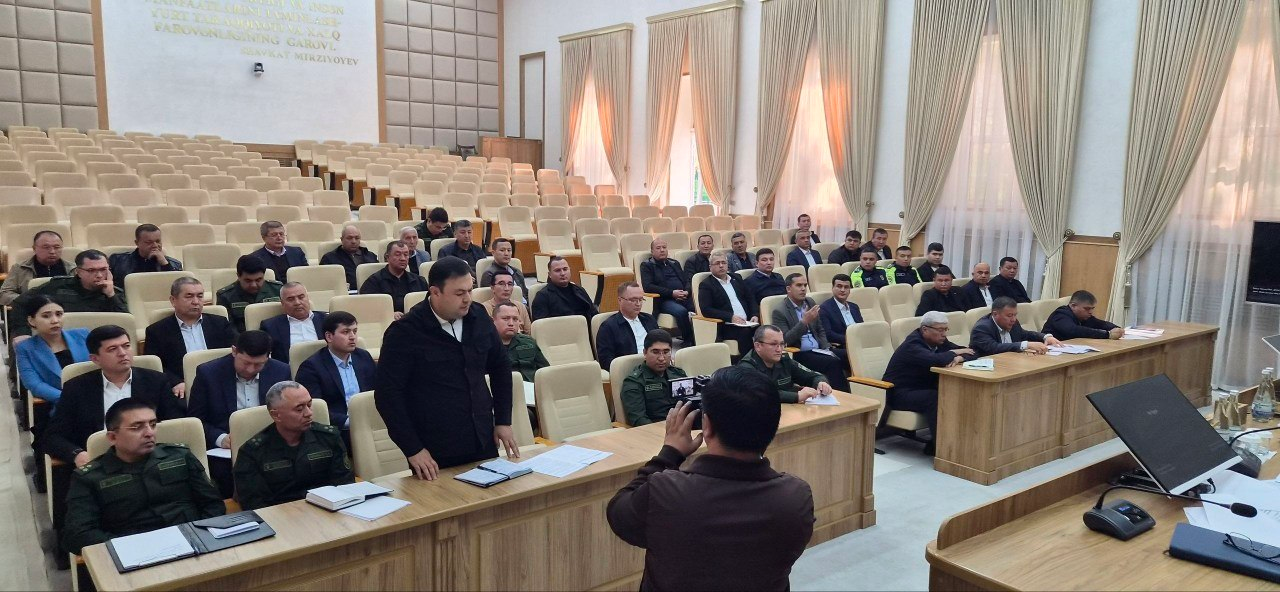
Particular attention was paid to existing challenges and shortcomings, as well as the underlying factors contributing to them. Relevant officials were given specific instructions and recommendations to address the issues identified.

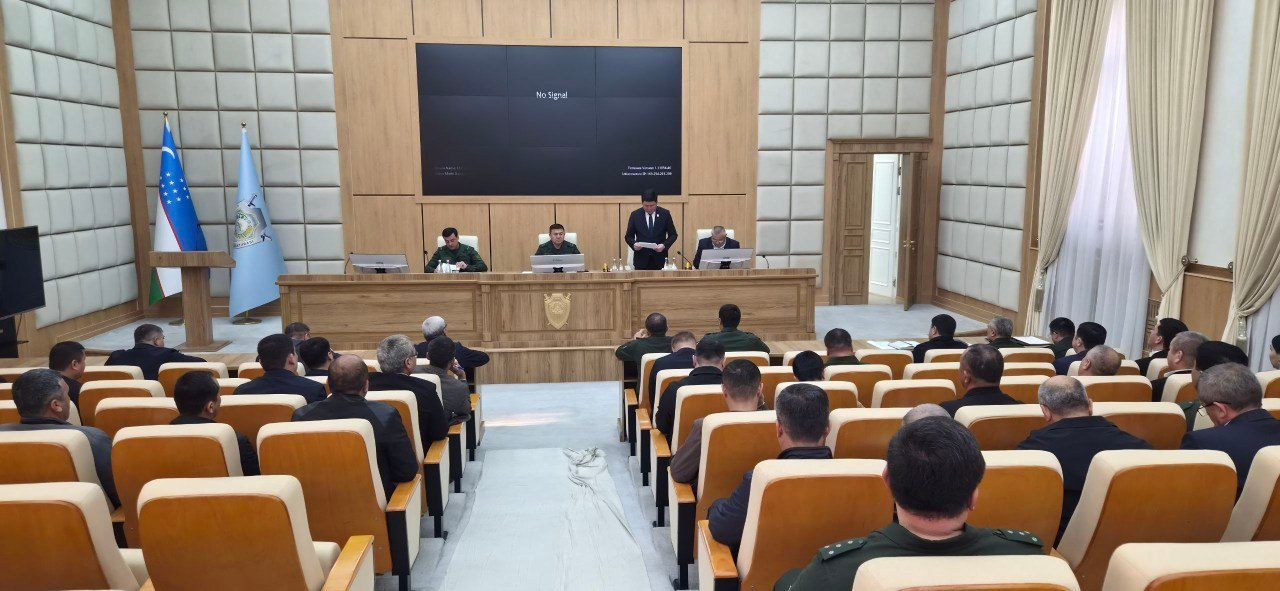
The findings of the review were discussed in a critical and analytical manner at a meeting of the regional Anti-Corruption Council, attended by members of the national working group and representatives of the agencies responsible for implementing the roadmap.
The discussion focused on the performance of the responsible authorities in fulfilling the roadmap commitments, the effectiveness of the measures being implemented, and the steps taken to resolve outstanding issues.
At the conclusion of the meeting, officials were assigned specific tasks and given clear instructions to complete the digitalisation processes, further reduce human involvement in administrative procedures, and prevent corruption risks.