
National Integrity System Uzbekistan to Be Introduced
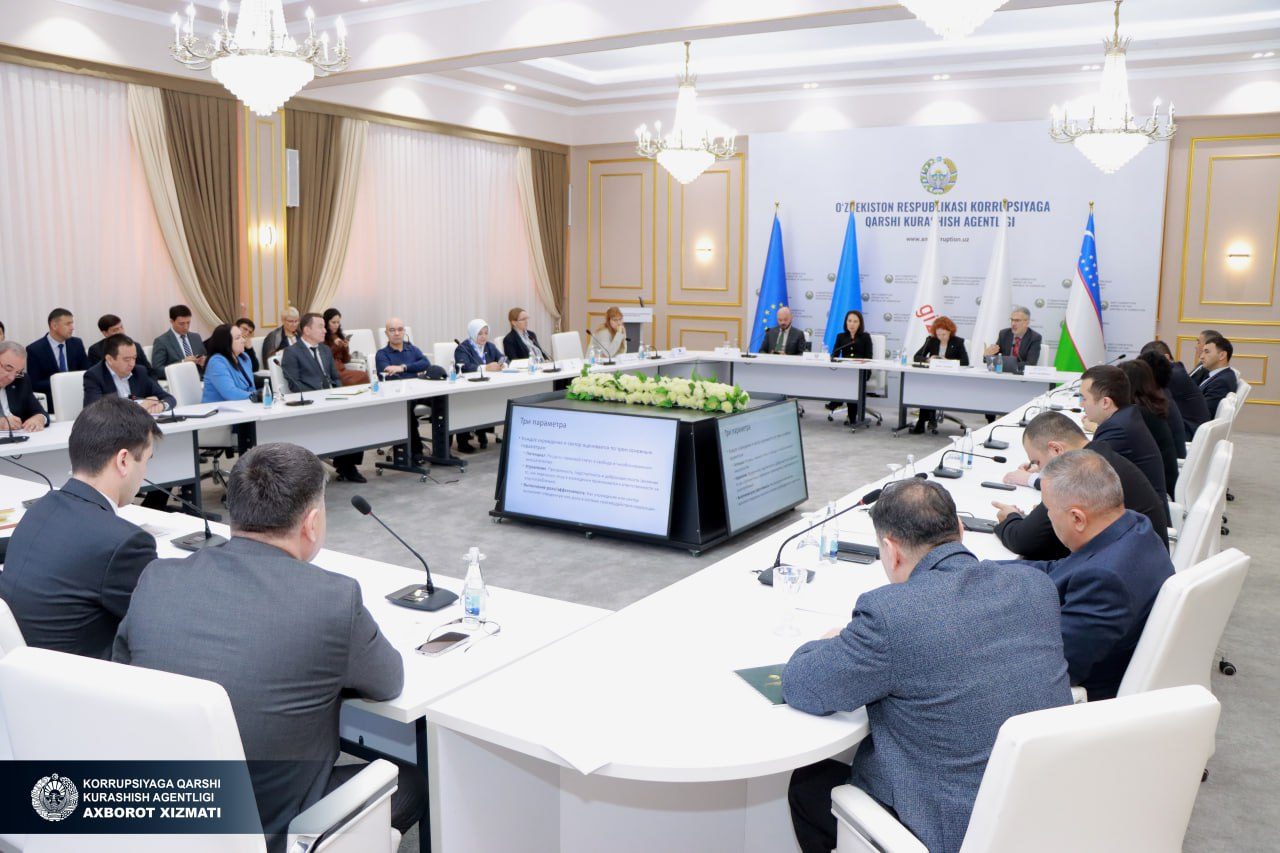
On December 10, the Anti-Corruption Agency hosted an event presenting the National Integrity System (NIS) project of Transparency International.
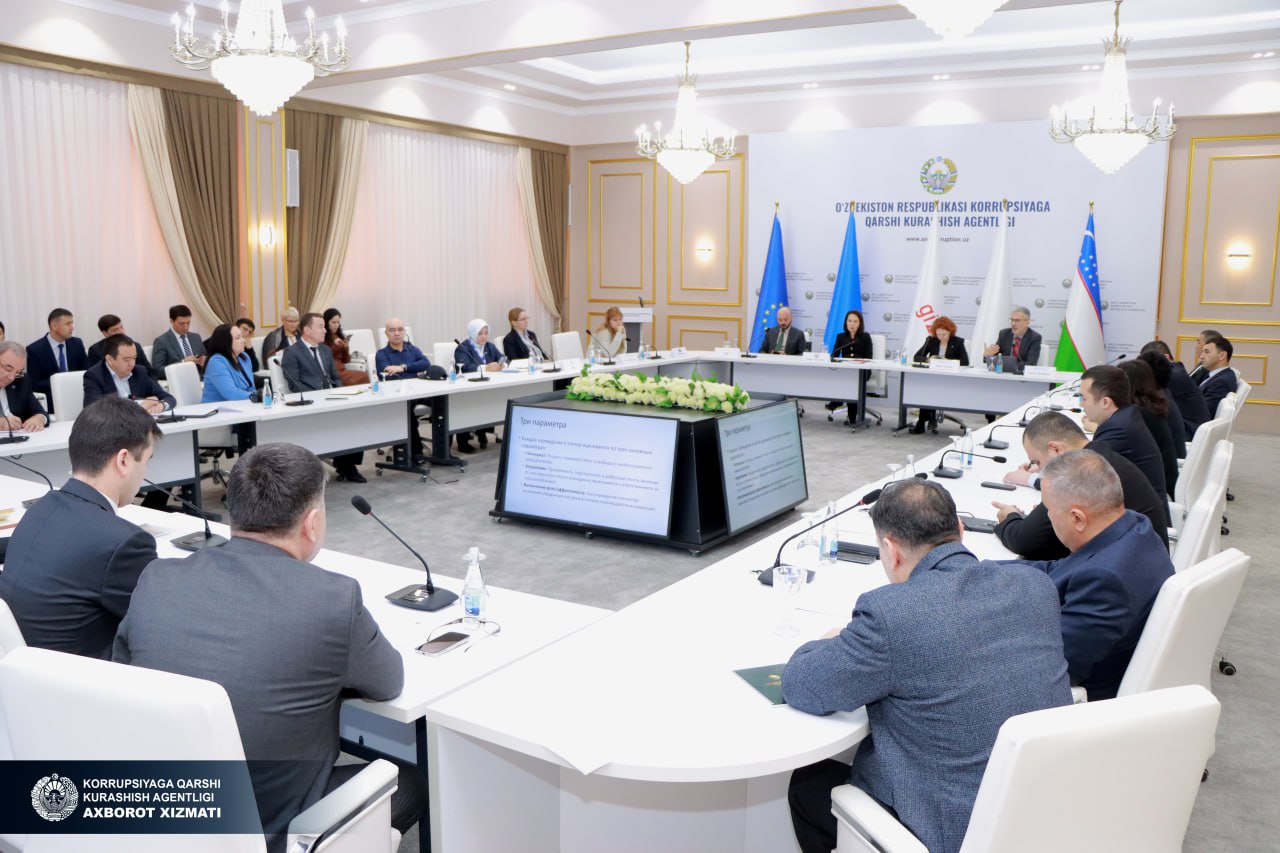
As noted, Transparency International developed the National Integrity System approach as a comprehensive means of assessing a country’s anti-corruption efficacy sector by sector. It allows a nuanced analysis of national efforts to stamp out corruption.
The National Integrity System evaluates key ‘pillars’ in a country’s governance system, both in terms of their internal corruption risks and their contribution to fighting corruption in society at large. The pillars analyzed in a National Integrity System assessment typically include legislative branch of government, executive branch of government, judiciary, public sector, law enforcement, electoral management body, Ombudsman, audit institutions, anti-corruption agencies, political parties, media, civil society, business.
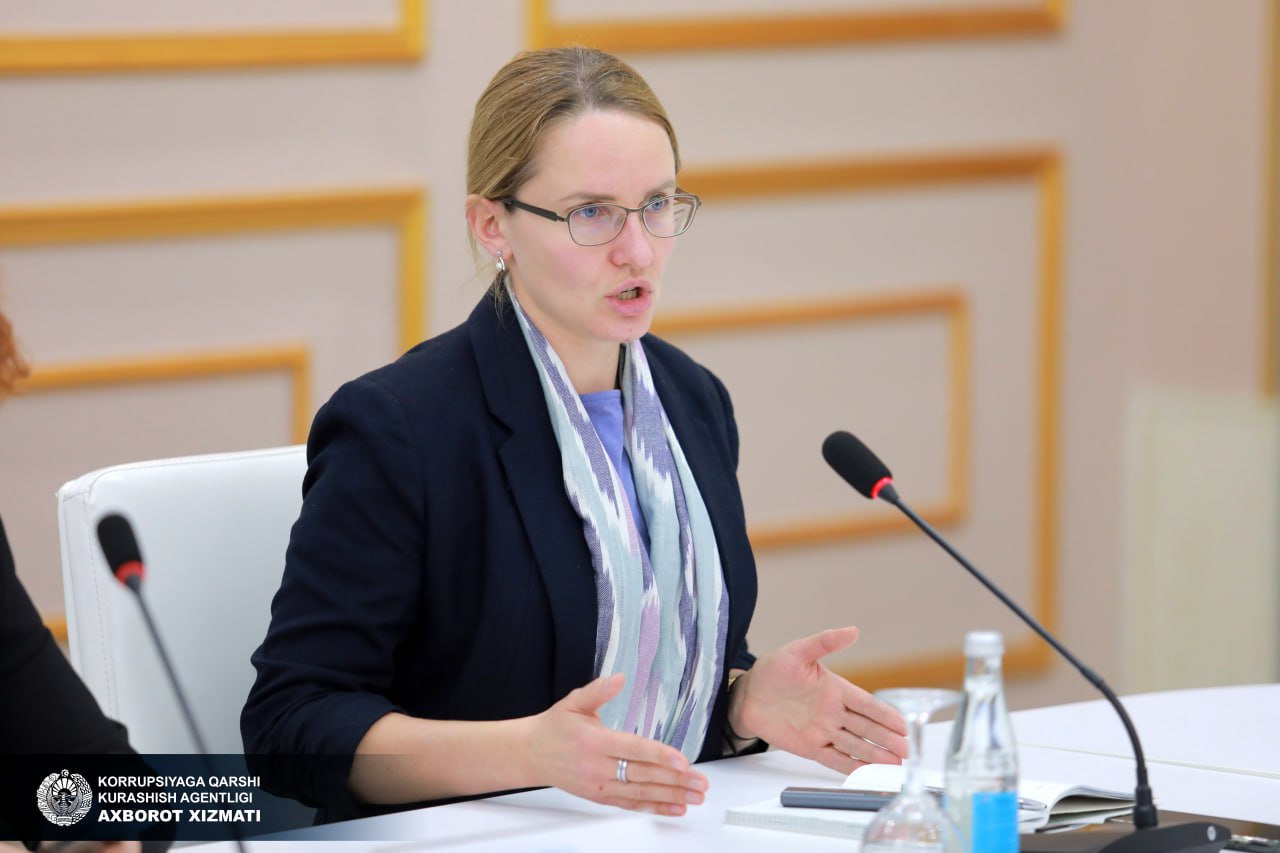
A National Integrity System assessment examines both the formal framework of each pillar and the actual institutional practice. The analysis highlights discrepancies between the formal provisions and reality on the ground, making it clear where there is room for improvement.
Since its inception in the late 1990s, more than 100 NIS assessments have been conducted by Transparency International.
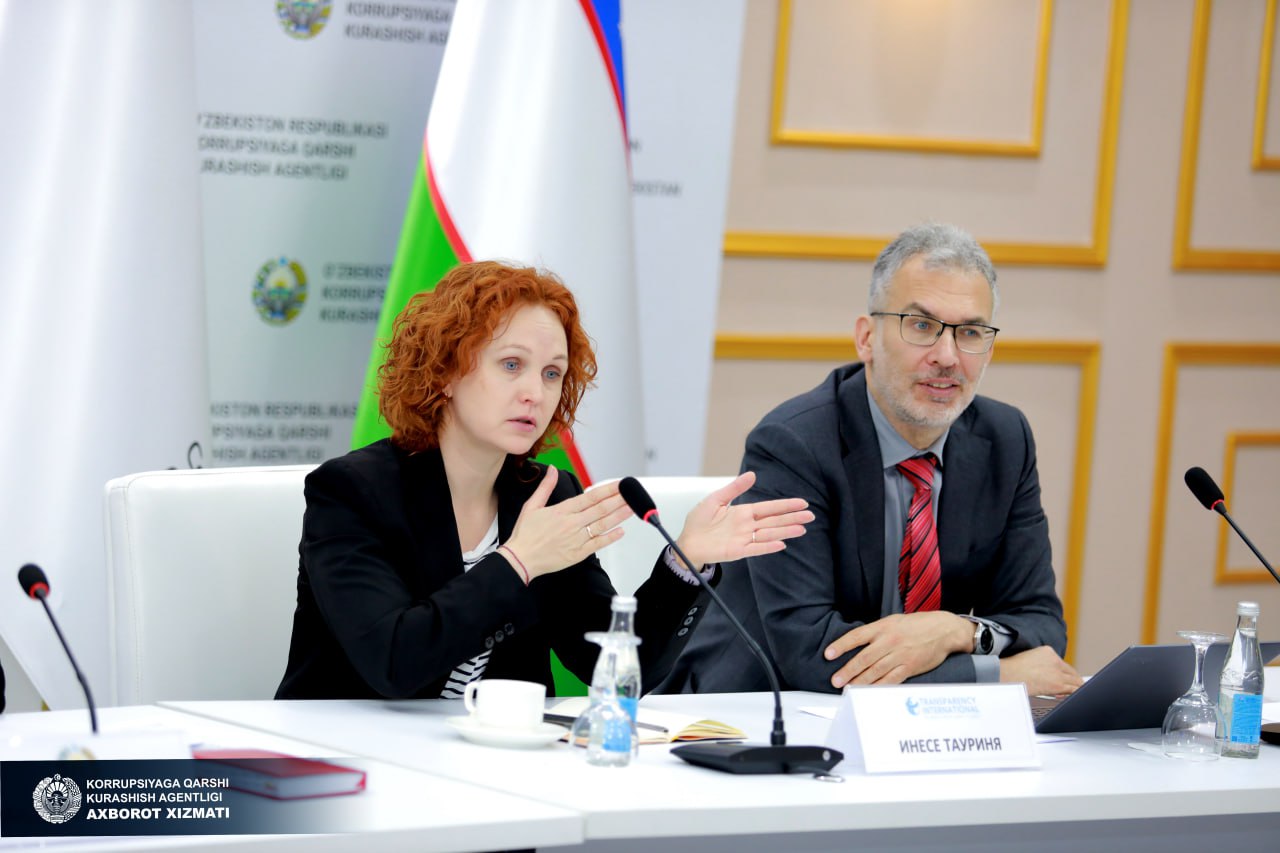
The event presented the general NIS Assessment Toolkit, adapted for Uzbekistan, which was developed by Transparency International as part of the Action Plan 2024 of the project ‘Good Governance in Uzbekistan: Inclusive Approach to Preventing Corruption’, funded by the European Union and the German Federal Ministry of Economic Cooperation and Development.
UNDP experts are also involved in the process of implementing the NSC assessment, and a number of areas will be assessed within the framework of a joint project of UNDP and the Anti-Corruption Agency.
To date, the NIS Assessment Toolkit includes 15 priority areas, including government bodies and other institutions, key social forces such as political parties, the media, and enterprises with a state share.
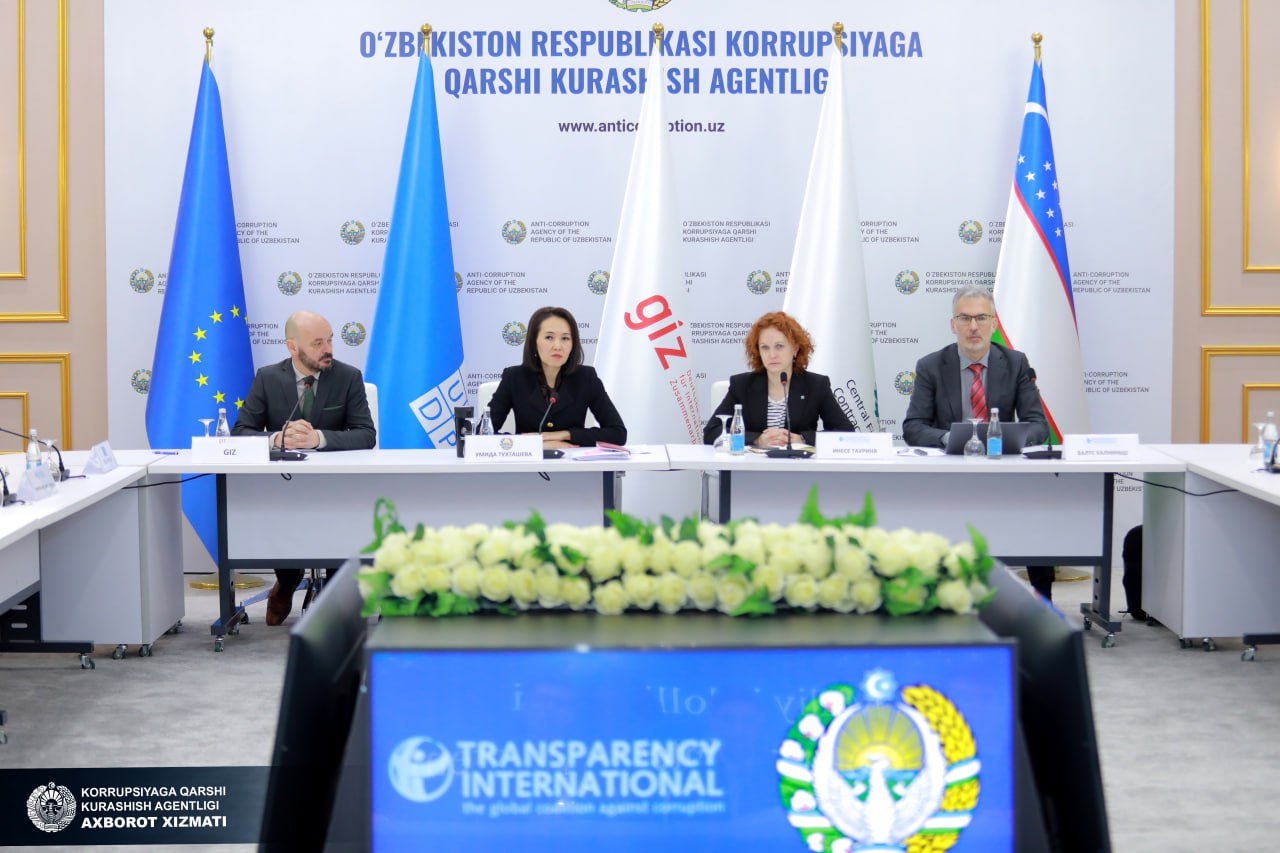
The meeting noted that the NSC assessment process in Uzbekistan will cover the period from 2022 to 2024 and will begin in early 2025. The final report will provide a complete picture of the system for ensuring national integrity, including more than 150 indicators.
The event discussed innovations, additions and changes in the general the NIS assessment toolkit, adapted for implementation in the conditions of Uzbekistan, and discussed issues of their improvement.
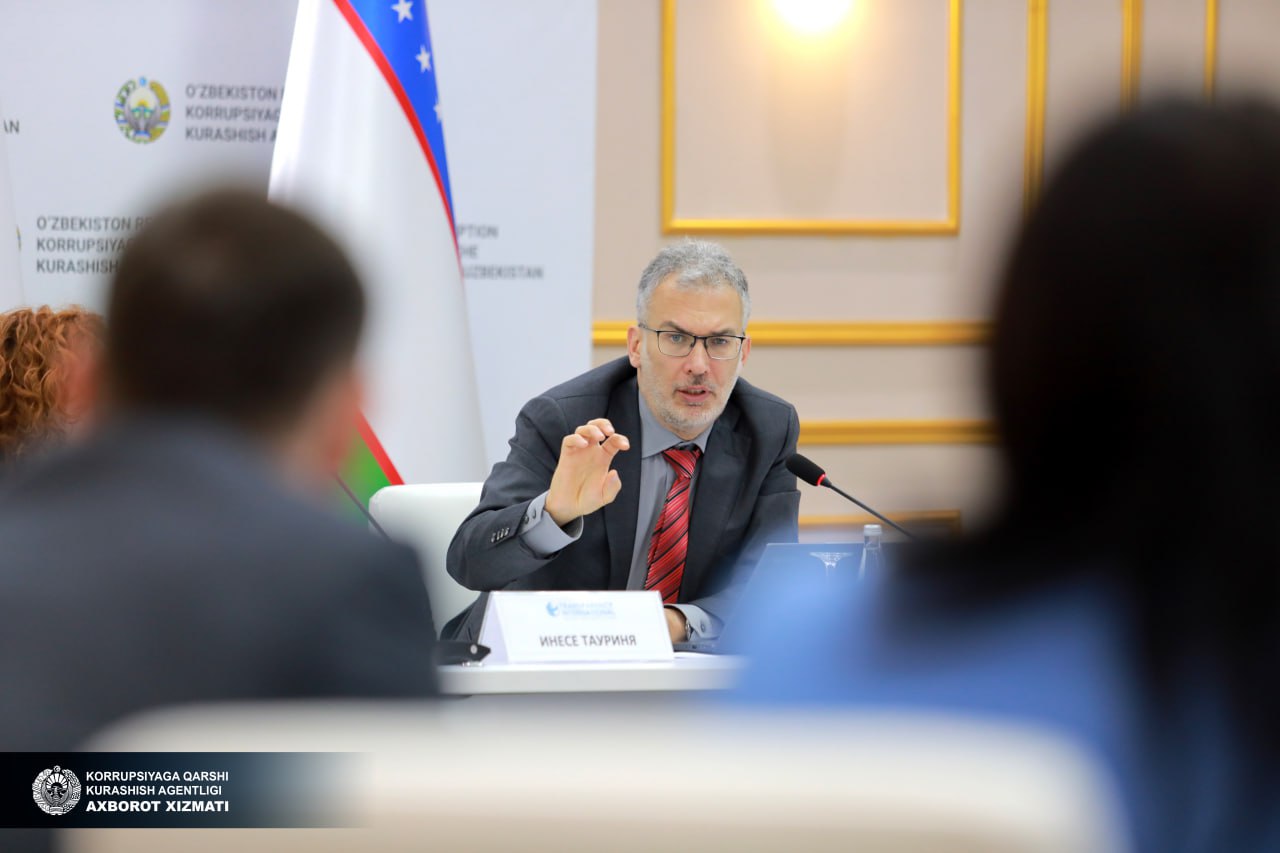
Today, experts from Transparency International Latvia have conducted a workshop for representatives of government agencies and organizations and presented detailed information on the main indicators and evaluation criteria of Transparency International’s Corruption Perception Index.
Press Office
The Anti-Corruption Agency