
Actions Undertaken to Tackle Corruption in Bukhara Region Studied
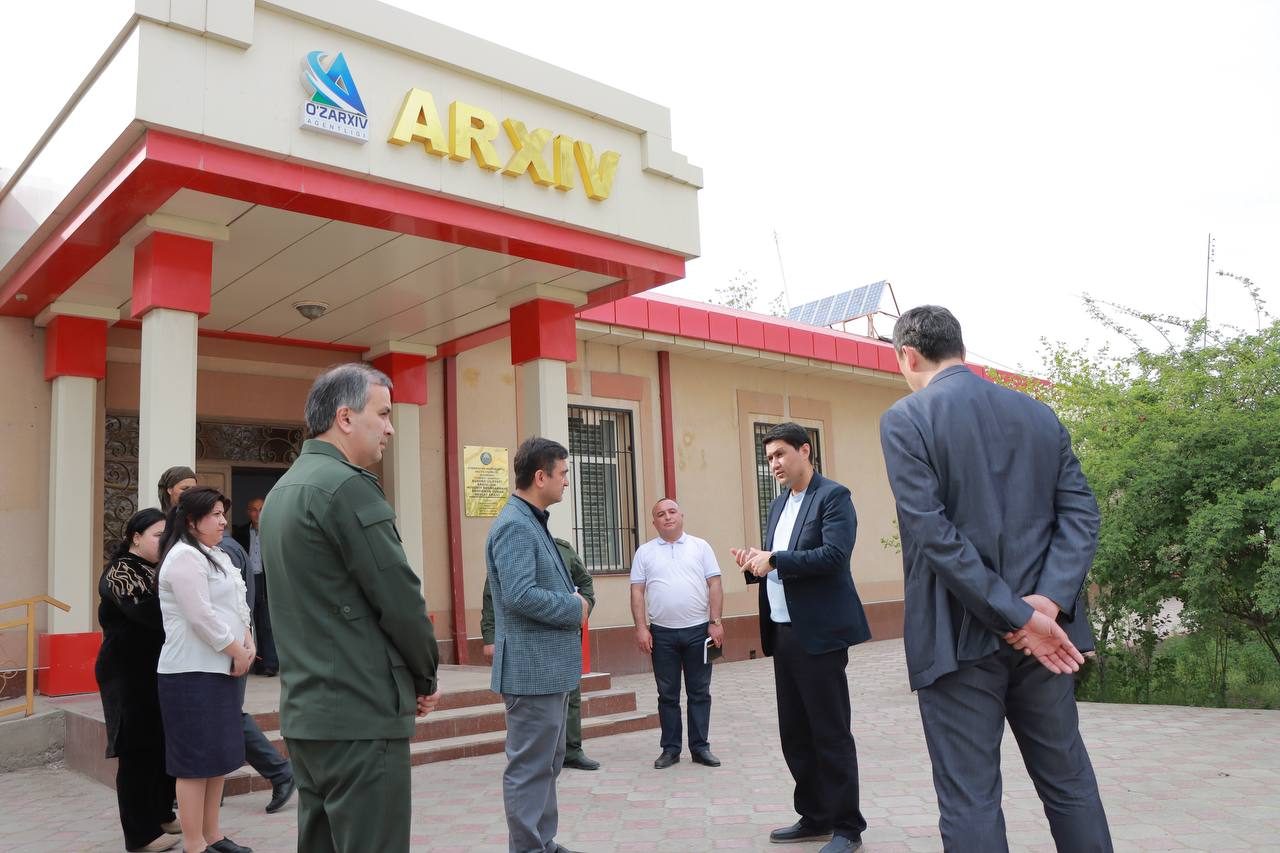
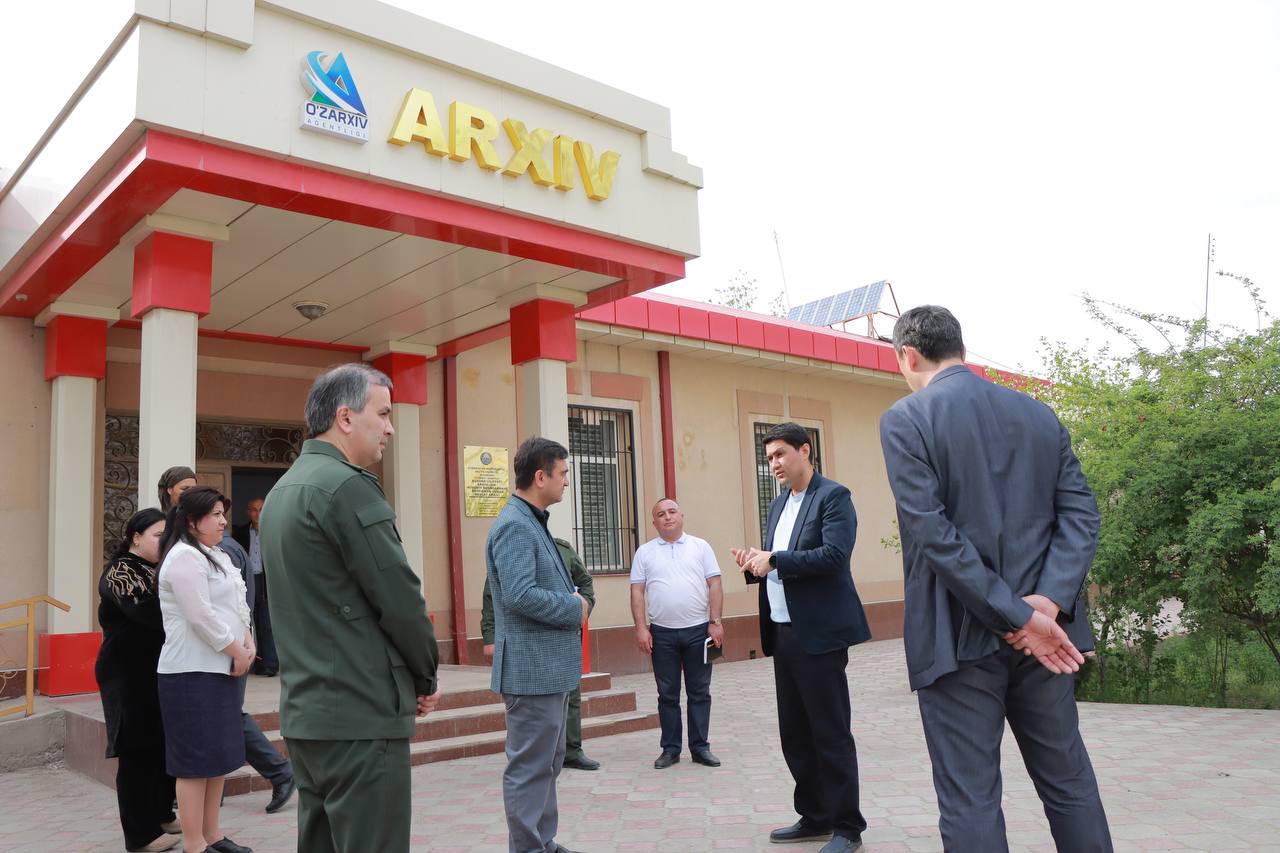
For ensuring the implementation of the tasks and instructions defined by the head of state at the extended meeting of the National Anti-Corruption Council, on April 1-5, the working group visited Bukhara Region to study the state of work carried out to combat corruption in Bukhara and Kogon cities, as well as Shofirkon, Kogon, Jondor, Vobkent and Bukhara districts.
The studies revealed that corruption crimes are especially widespread in the pre-school and school education, healthcare, banking, employment, cadaster, energy and water supply sectors, local administrations (hokimiyats), which mainly directly contact the population and entrepreneurs, and the sector officials do not take the necessary measures to minimize these risks.
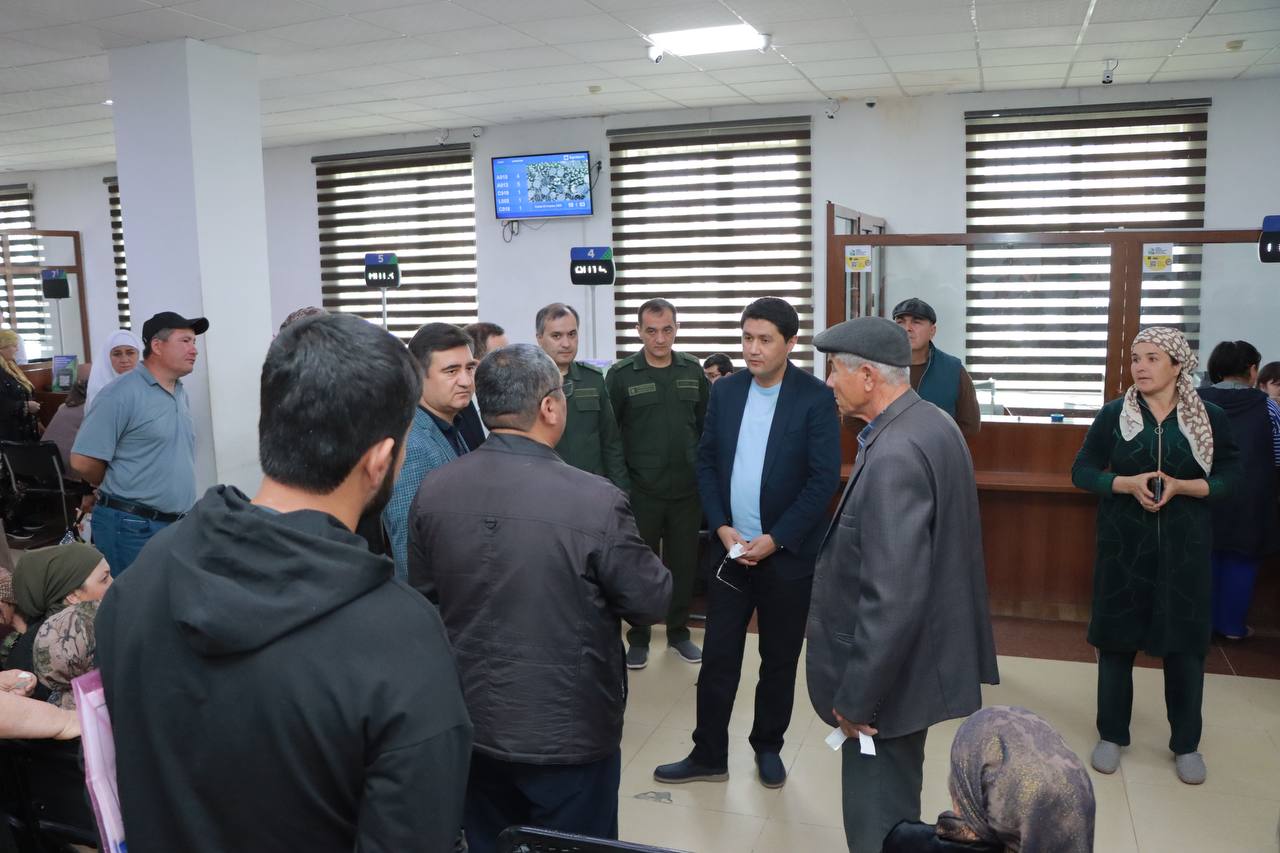
In particular, when studying the electronic queue system and the processes of providing preferential loans aimed at reducing poverty and ensuring employment in bank branches in the above-mentioned cities and districts, it was revealed that people have difficulties using banking services, and work to prevent long queues is slow.
Studies in the market and shopping malls revealed that trading activities and the work of parking lots are not properly regulated.
In the activities of district employment departments in providing information about available vacancies by government agencies and organizations, the human factor is high, which causes the emergence of various corruption factors. The responsible employees in the sphere were given recommendations on the digitalization of the process.
Studies in the healthcare system have shown the problems need to be addressed, including increasing the anti-corruption knowledge and skills of medical workers, ensuring openness and transparency in the selection of personnel, improving the qualifications of employees, preventing theft of budget funds allocated for medical equipment and drugs.
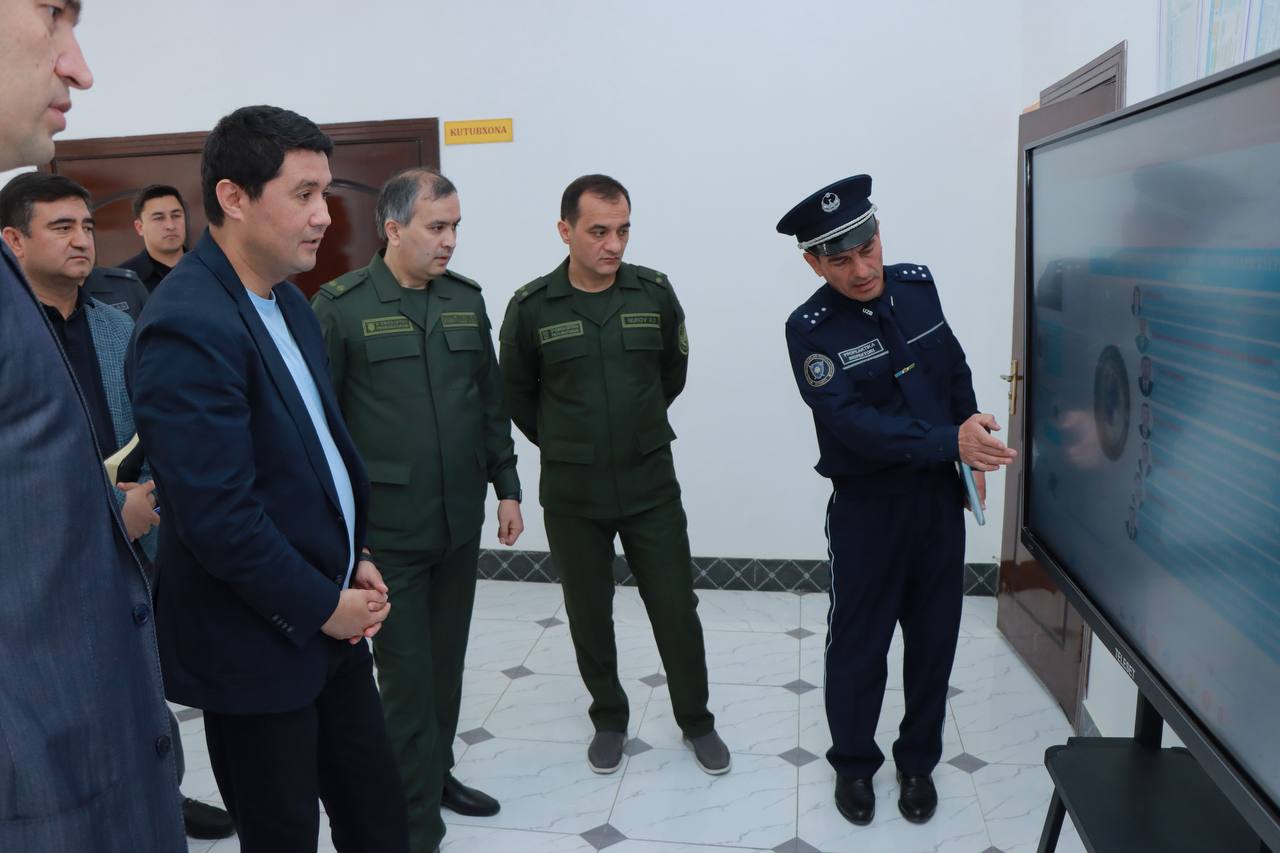
In the preschool and school education sector, tasks requiring solutions were identified, first of all, on the facts of corruption in hiring, conducting exams, assisting in opening a private preschool educational institution and distributing teaching time, as well as preventing the facts of theft of budget funds by forging documents, and others.
The shortcomings and problems identified during the studies were discussed with the officials and responsible employees, proposals were made to create a modern and effective system, key tasks were identified.
Also, in mahallas with an acute crime situation, law enforcement agencies, prevention units and the ‘Mahalla Sevens’ were given appropriate instructions to create a safe environment and improve the effectiveness of the early crime prevention system.
Press Office
The Anti-Corruption Agency