
A Workshop Held to Increase the Role of Public Councils in the Fight Against Corruption
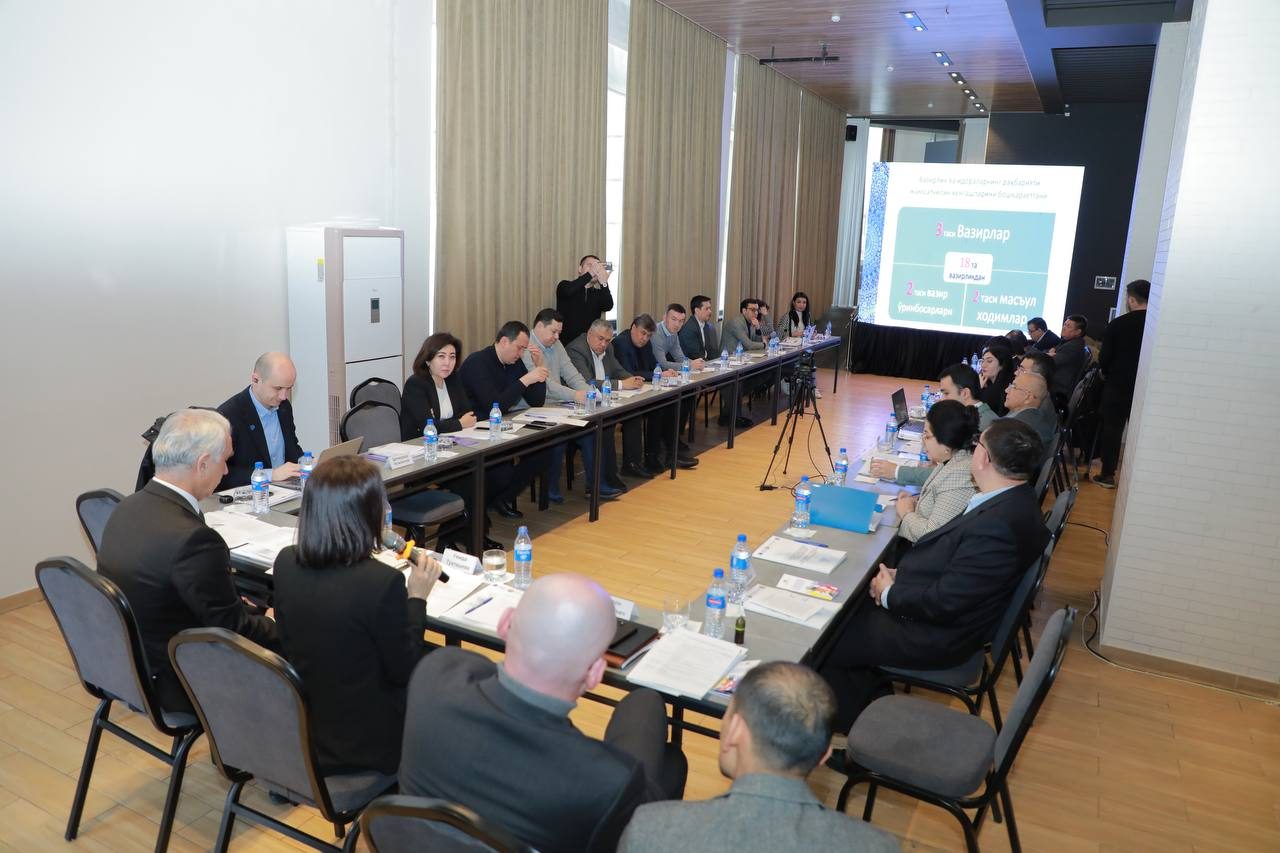
On February 23-24, the Anti-Corruption Agency, together with the INGO Regional Dialogue, organized a workshop on the topic ‘Increasing the role of public councils at ministries and departments in the fight against corruption.’
The event brought together the officers of the Anti-Corruption Agency and members of public anti-corruption councils at ministries and departments, international experts, representatives of NGOs and the media.
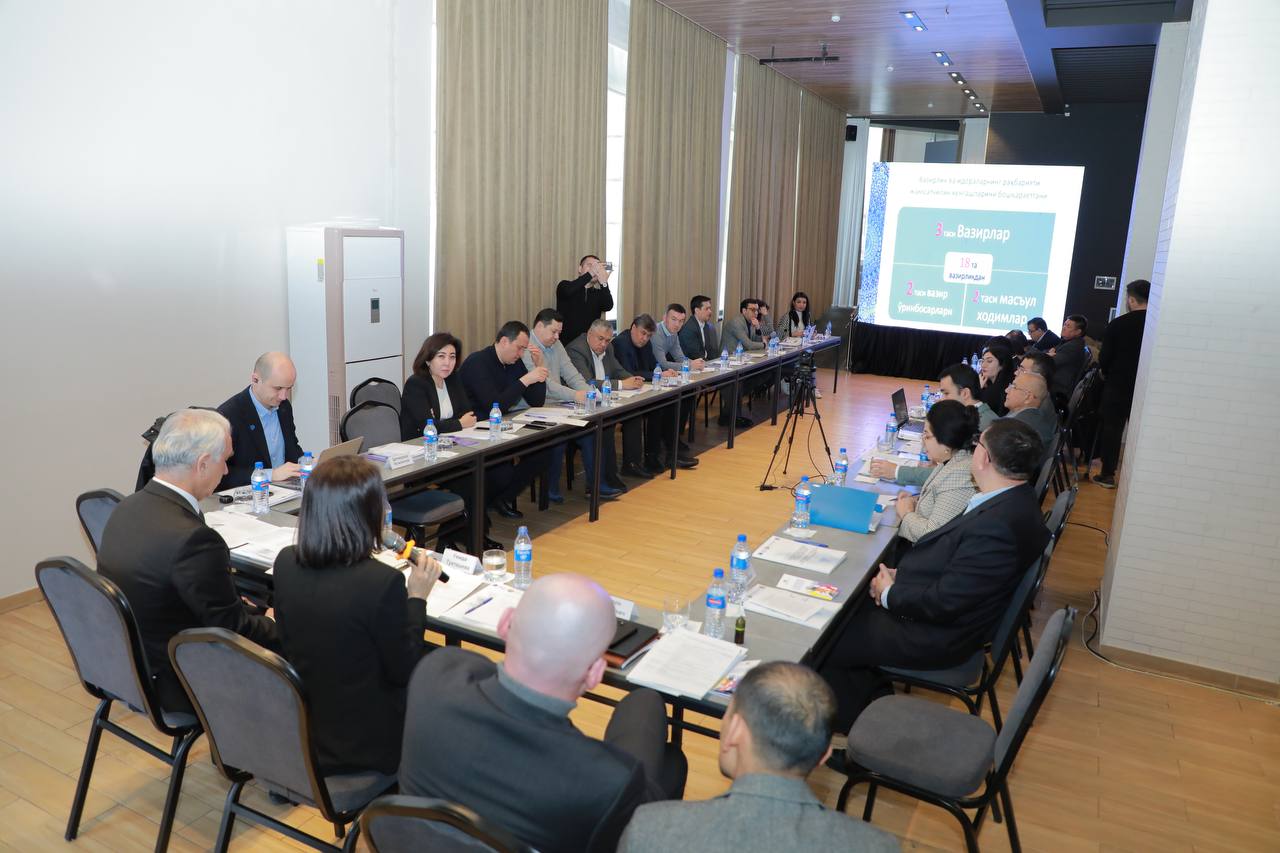
The purpose of the workshop was to increase the activity of public councils, strengthen their participation in the development and monitoring of anti-corruption policies in ministries and departments, ensure openness of the activities of organizations, ensure effective interaction of the government body with civil society institutions and the media in anti-corruption activities.
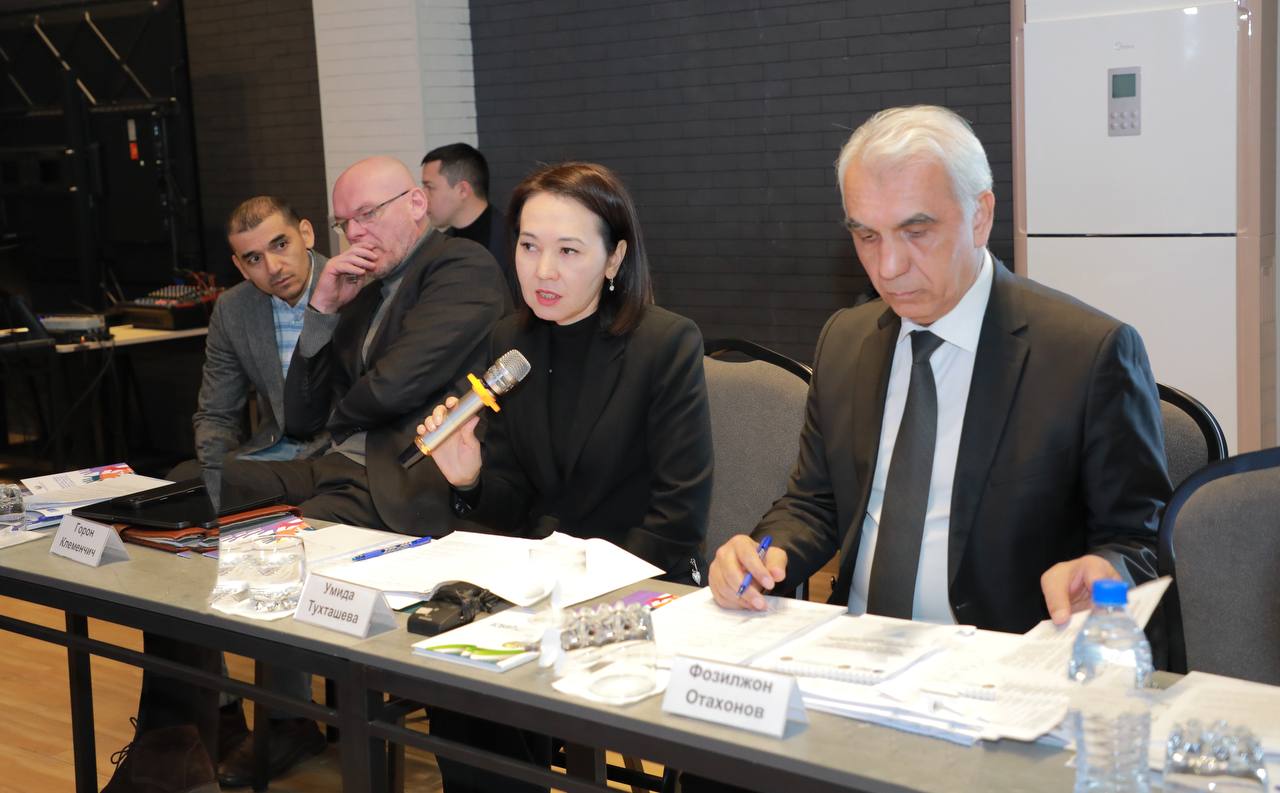
As noted at the beginning of the event, the country pays special attention to the development of public control and civil society. Strategic documents and government programs include tasks for introducing public monitoring mechanisms.
The Institute of Public Councils at government agencies is the initial and extremely important structure in the organization of public monitoring and communication of the organization with representatives of civil society institutions. The activities of public councils demonstrate the openness and transparency of the government body.
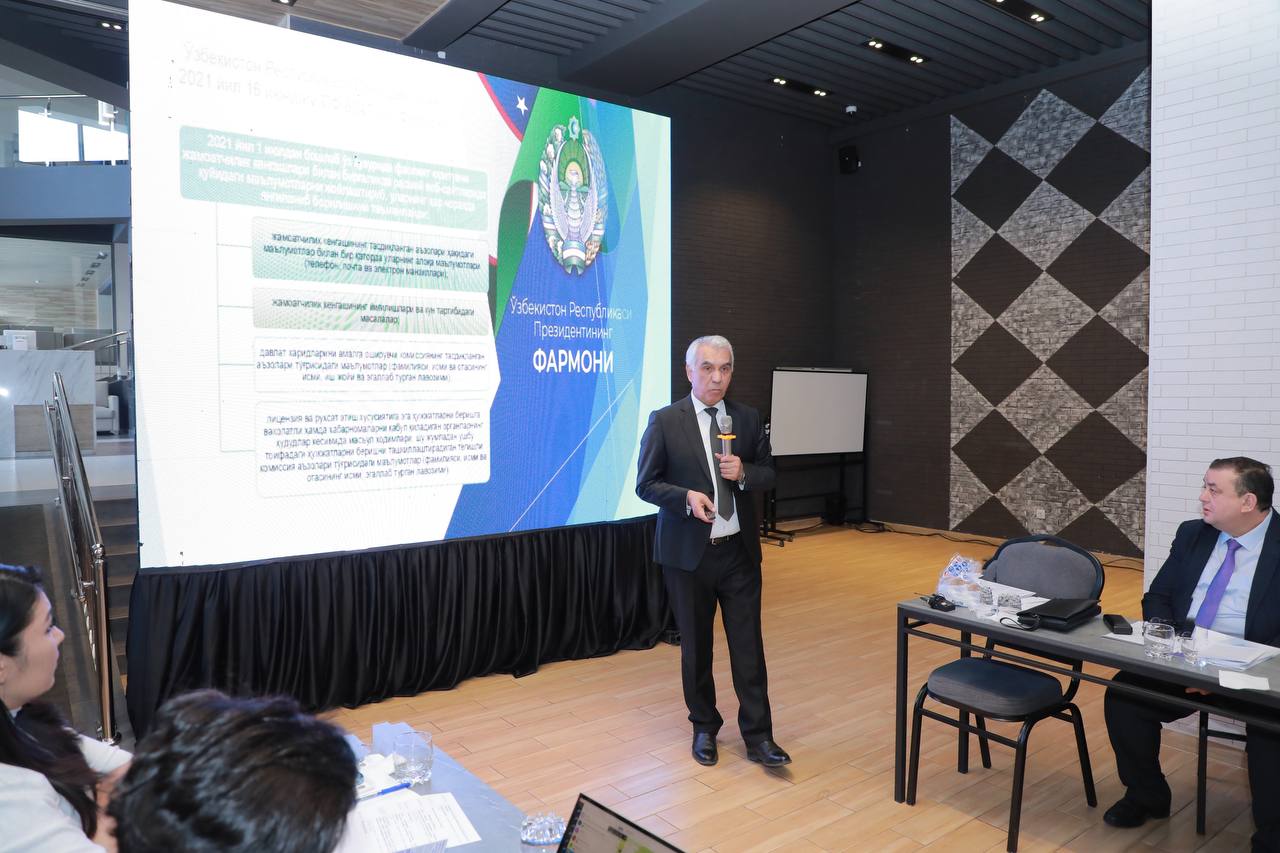
On the first day of the workshop, the legal basis and practice of the activities of public councils at government agencies, mechanisms and stages of organizing public monitoring, and the experience of foreign countries in this track were presented.
The speakers also provided information on the methodology for conducting anti-corruption expertise of regulatory legal acts and their drafts.
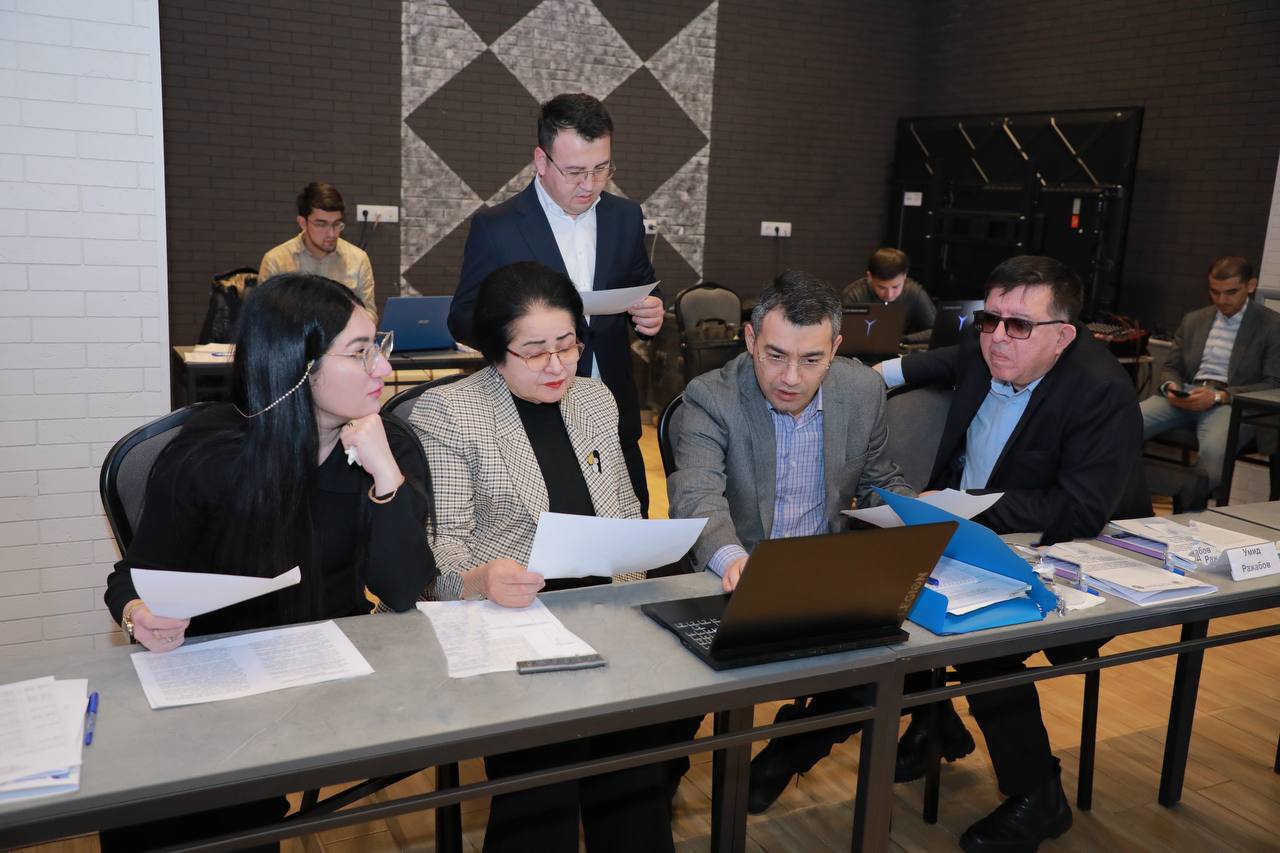
During the workshop, participants were divided into teams and took part in interactive sessions. In particular, they conducted anti-corruption expertise of various regulatory legal acts, and identified corruption-related factors.
In addition, the workshop participants discussed the National Anti-Corruption Strategy developed by the Anti-Corruption Agency and drafts on the protection of whistleblowers and made proposals for their improvement.
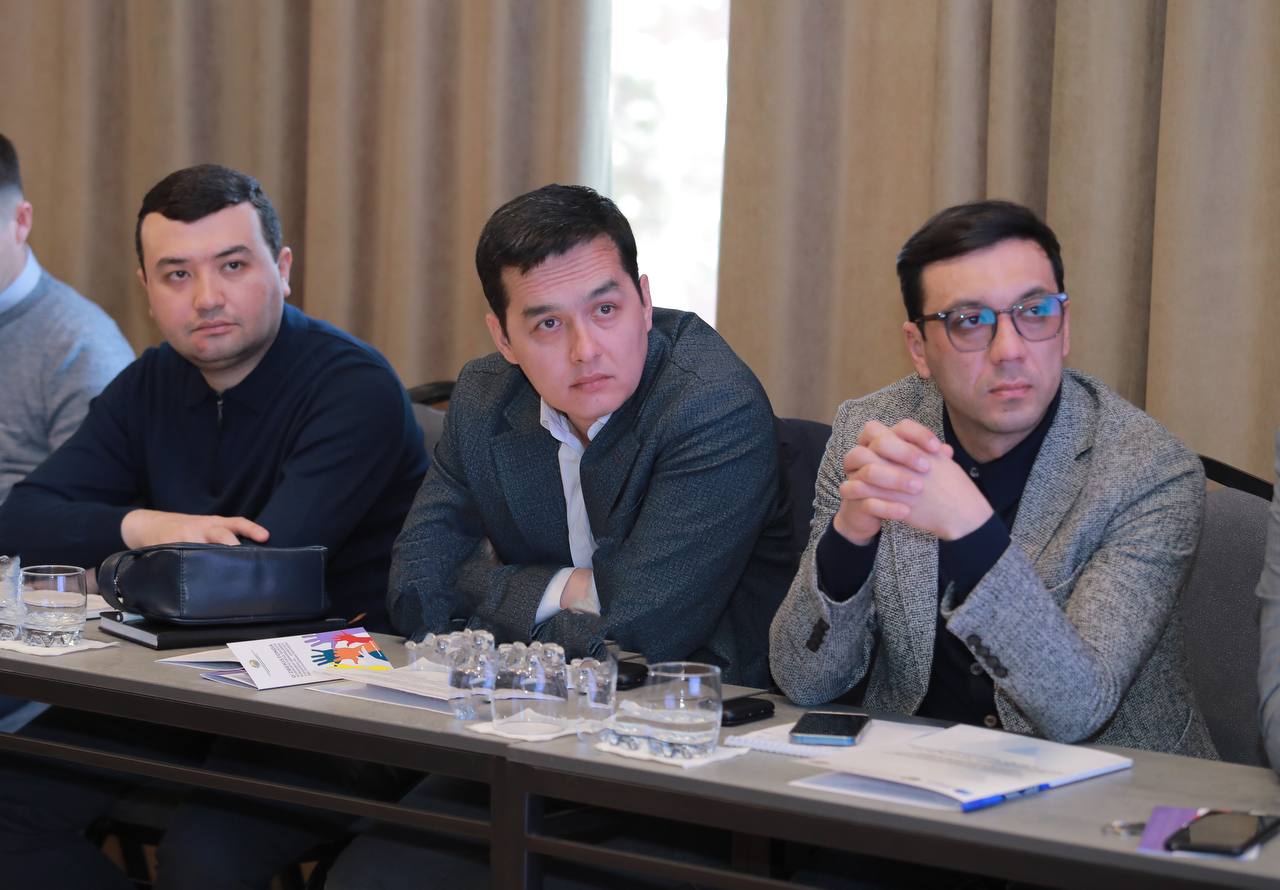
On the second day, an exchange of views took place on the participation of members of public councils in monitoring the publication by government bodies of information required for disclosure, as well as monitoring of public procurement processes.
Participants also analyzed through open sources the transparency of the activities of ministries and departments, members of whose public councils they are, as well as information on public procurement.
In addition, the international expert informed the participants about the experience of foreign countries on the participation of public councils in the activities of government bodies, processes of preventing corruption and ensuring transparency.
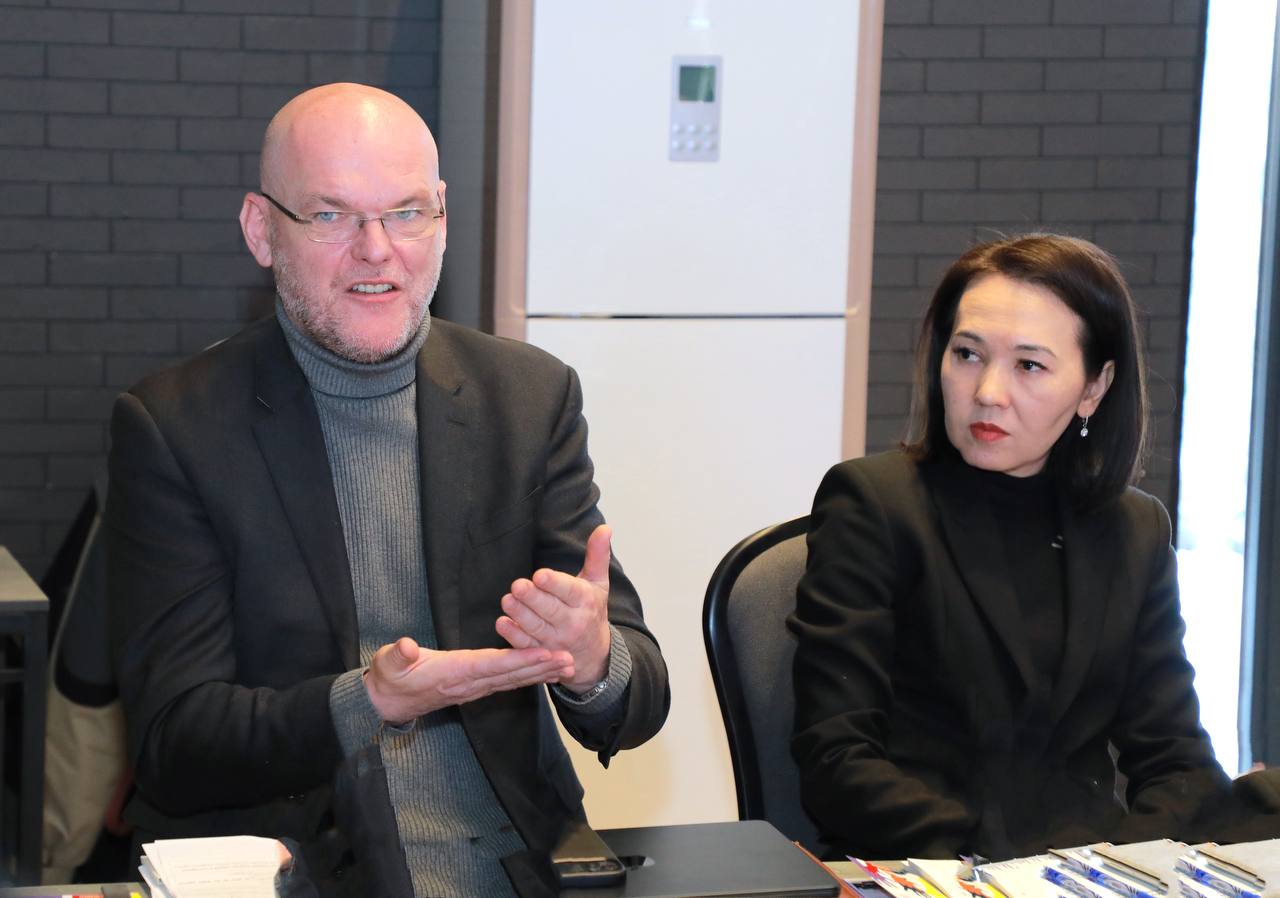
Following the workshop, issues of further cooperation between the Agency and public councils at ministries and departments, as well as plans for the future, were discussed.
Press Office
The Anti-Corruption Agency